
Monthly Spotlights
Here we have curated a selection of both past and present displays that have featured in our shop. We are incredibly proud of our displays which have quickly become a space our customers look forward to visiting and exploring as they change throughout the year.
So if even if you aren’t local, you can keep up to date with what we’re showcasing. We invite you to take a look at our selection and feel inspired.

The Bell Jar has been challenged for its descriptions of depression and suicide attempts. The nature of Plath’s writing represents her own long history of clinical depression and later suicide in 1963. The most famous instance occurred when a school board in Warsaw, Indiana, removed the book from a high school "Women in Literature" course and school libraries. However, the book has and still continues to face numerous challenges among schools across the US.
Ironically, this is a book about literary censorship and even a warning against it. Although this book warns against the dangers of silencing stories, this is exactly the fate this book has and continues to face today. Often challenged for its sexual references and mature themes of sex, violence and alcohol. Farenheit 451 was officially banned and burned in South Africa by the government alongside thousands of other publications between the 1950s and 1970s. Various schools across the USA are still actively trying to have this novel banned within schools.
American Psycho faced an immense amount of backlash both during and ahead of its publication. A book renowned for its depiction of sadistic violence and graphic descriptions. This novel was originally due to be published by Simon & Schuster but was dropped 3 months before its publication due to the media uproar surrounding its contents, with their CEO stating ‘it was an error of judgement to put our name on a book of such questionable taste’.
Ulysses was first published in 1922 by Shakespeare and Company in Paris, however the copies sent to the UK and US were seized. The book went on to be banned in both the UK and US due its graphic descriptions of masturbation and sexual fantasies. In 1933, the ban in America ended after the book was declared not pornographic in court. The ban of Ulysses was eventually lifted in the UK too in 1936.
This novel has a long history of being banned within both schools and libraries. The Catcher in the Rye was the most challenged book in the United States from 1961 to 1982. Published in 1951, its exploration of sexuality, violence and mature themes such as drinking and smoking led to many schools banning the book.
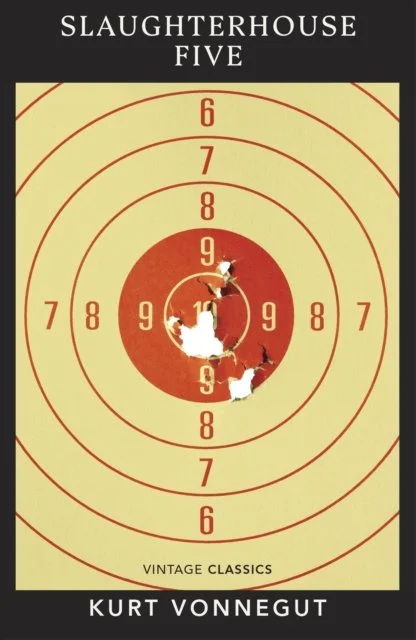
In the city of Drake in North Dakota in 1973, school officials banned the book from the curriculum, and the board chairman famously ordered 32 copies of the novel burned in the furnace. After more recent censorship attempts, The Kurt Vonnegut Museum and Library distributed free copies of Slaughterhouse Five to high school students in the city of Republic in Missouri in 2011.
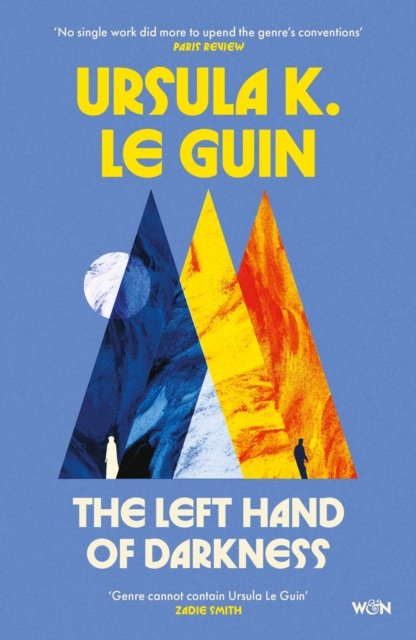
The book has has faced recent state censorship in Russia, alongside historical challenges and criticisms in other countries over its exploration of gender fluidity and non-binary identities. Independent Russian news outlet Meduza reported that on 18th December 2025 Russian police raided bookshops, specifically focusing on shops that were stocking The Left Hand of Darkness.
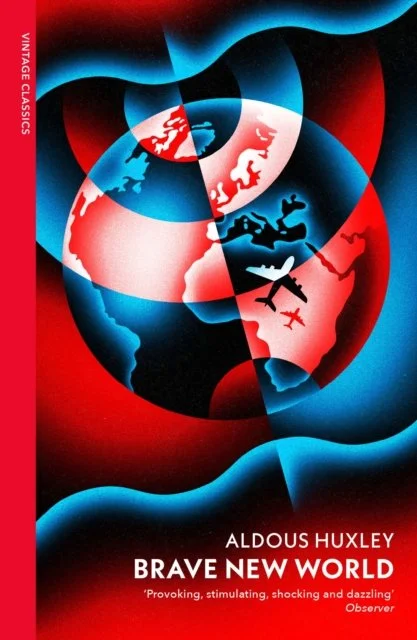
A book that frequently appears near the top of lists of the most challenged books, Huxley’s monumental dystopian classic was immediately banned in Ireland following its publication for its language, and for supposedly being anti-family and anti-religion. The book was also banned in India in 1967, with Huxley accused of being a "pornographer".
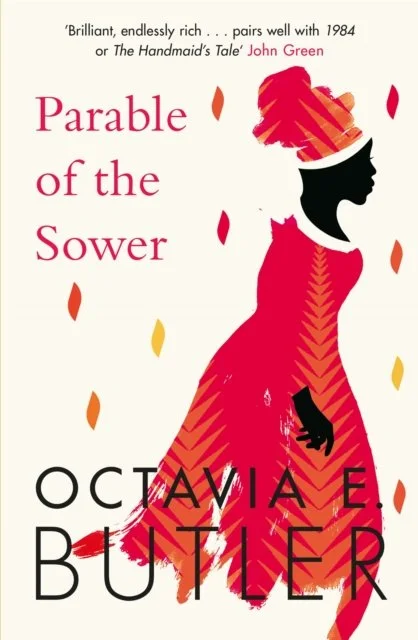
This dystopian modern classic has been banned by school districts in Texas, Tennessee, Florida, Iowa, and Wisconsin. Butler’s ambitious near-future science fiction masterpiece - which was set in a post-apocalyptic California between 2024 and 2027 - tackles themes like racism, climate change, poverty, and societal and economic collapse.
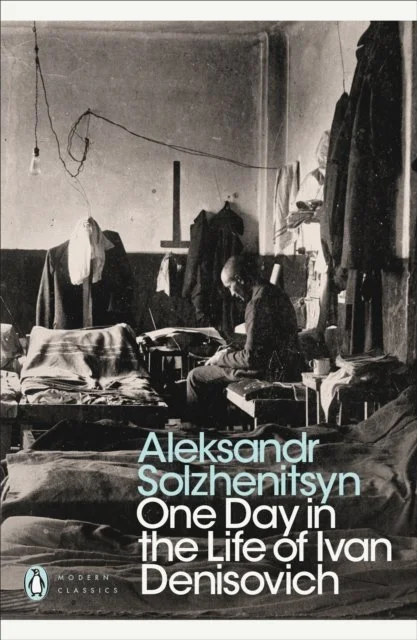
One Day in the Life of Ivan Denisovich was officially banned and withdrawn from circulation in the Soviet Union from 1965 until 1990. Set in the early 1950s, the book documents a day in the life of prisoner Ivan Denisovich Shukhova who is imprisoned in a Soviet labour camp in the early 1950s.
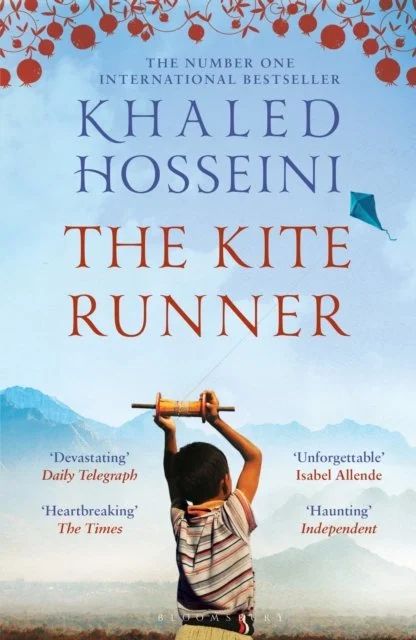
The Kite Runner has faced bans, temporary removals, or restrictions in local school districts across multiple US states, including Florida, Texas, Utah, Minnesota, and Wisconsin. Author Khaled Hosseini has criticized local bans as a "betrayal of students" that prevents empathy and global perspective. The 2007 film adaptation was also banned in Afghanistan under the government at the time
Brits were prevented from reading Lady Chatterley's Lover until 32 years after is was originally privately published, due to a law that criminalised the publication of writing considered immoral. A landmark 1960 obscenity case at the Old Bailey saw Penguin Books being found not guilty of publishing obscene material. The trial was the first major test of the 1959 Obscene Publications Act.
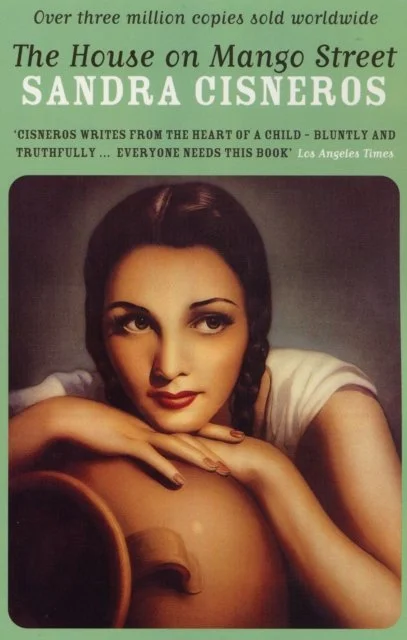
The House on Mango Street - which deals with racism, poverty, domestic violence and sexual assault - was famously banned in Arizona public schools under House Bill 2281. The law targeted Mexican-American cultural studies programs. Following a federal lawsuit and sustained public activism, the Arizona ban was ruled unconstitutional and overturned in 2017.

In 1983, the Alabama State Textbook Committee claimed the book promoted "bitterness and hatred" toward white people or offered an "anti-white" perspective on American history. The controversy surrounding challenges to I Know Why the Caged Bird Sings in the early 1980s helped catalyse the creation of the American Library Association's annual Banned Books Week.
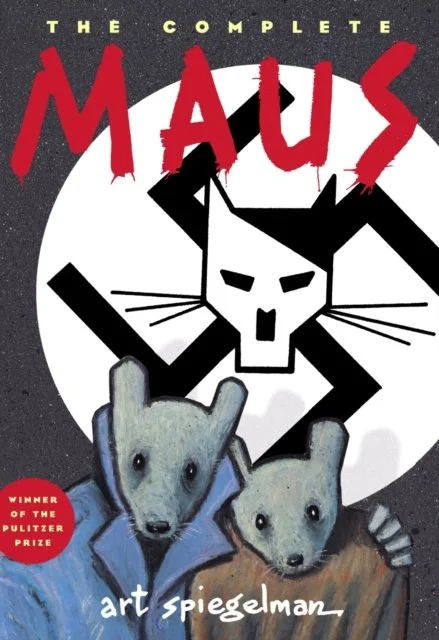
Art Spiegelman’s iconic Maus - the first graphic novel to ever win or receive recognition from the Pulitzer Board - Maus was banned in Russia in 2015 due to anti-extremism and anti-Nazi propaganda laws regarding the display of a swastika on the cover, and it faced protests and book burnings in Poland in 2001 over its depiction of Polish gentiles.
Erich Maria Remarque's anti-war masterpiece All Quiet on the Western Front was infamously banned and publicly burned in Nazi Germany and restricted in several other countries for its raw, pacifist depiction of World War I. Austrian soldiers were forbidden to read it, and fascist Italy banned the novel due to its pacifist stance.
In November 2025, a school library in Greater Manchester pulled scores of books off its shelves after the headteacher expressed a personal dislike for Men Who Hate Women, which had been stocked in the library. This escalated into a wider purge targeting over 130 books. A school librarian also faced disciplinary action.
Upon publication in 1890 in Lippincott’s Monthly Magazine, The Picture of Dorian Gray had a passage cut that was deemed too indecent and ‘homoerotic’. Even after the revised and self-censored edition was published in 1891, Wilde’s novel continued to face bans on distribution in the USA under the federal Comstock Act of 1873. Wilde fiercely rejected the Victorian era's moral policing.
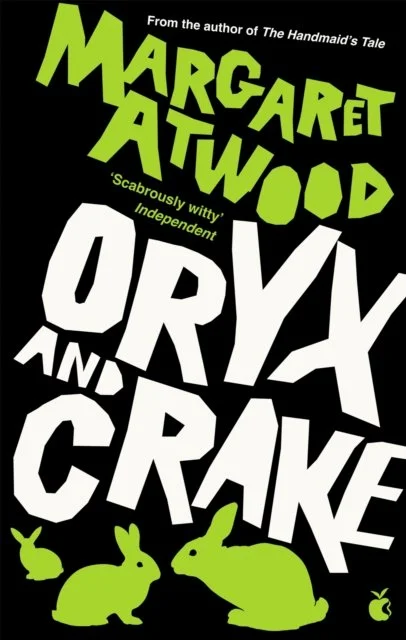
In 2024, Utah's state board of education issued a statewide ban on Oryx and Crake applying to all public school libraries using a law targeting "objective sensitive material". In response, Atwood posted "Wow, I'm the most dangerous little old lady of 84 you've ever heard of!" on X. The Handmaid’s Tale has also been restricted or removed from school libraries in numerous US states.
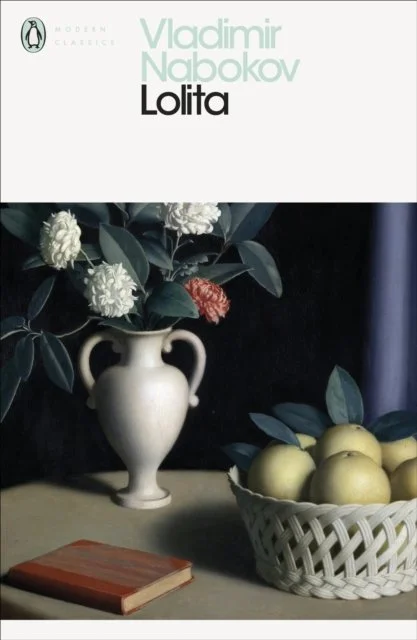
Lolita was first published in Paris in 1955 by Olympia Press, a house known for avant-garde and erotic literature. The French and UK governments officially banned the book as "obscene" and a "dangerous book" though the ban was lifted in 1959 in both countries. In 1958, John Gordon, chief editor of The Sunday Express stated it was 'the filthiest book I have ever read"

Morrison’s work is consistently censored and challenged with Beloved often appearing on The American Library Association’s ‘Top Ten Most Censored Books List’. Virginia State Senator Richard Black denounced the book as "moral sewage," and the book faced formal removal or restriction attempts in states including Kentucky, Florida, Colorado, Pennsylvania, and Oregon.
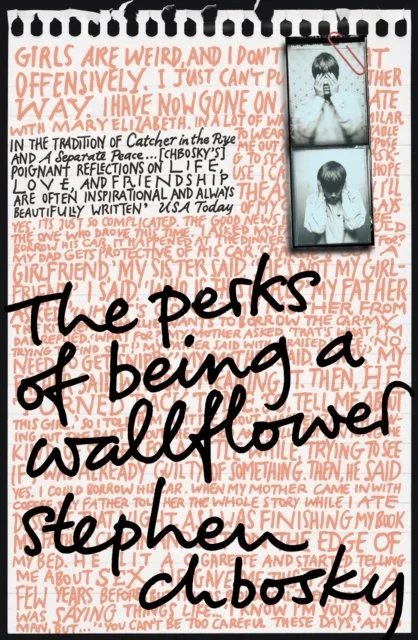
Despite being a number-one coming of age bestseller set in an American High School, The Perks of Being a Wallflower is currently banned across multiple school in the United States. The American Library Association has cited many attempted justifications for these bans, such as LGBTQIA+ content while mentioning drugs, sexual violence and profanity.
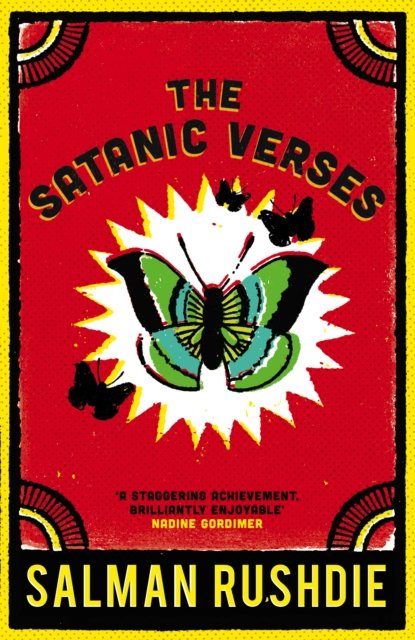
The book was publicly burned in venues across the UK after Rushdie read out a passage in public. The novel was also banned in over a dozen other countries following its publication. A fatwa is currently issued against the author with widespread calls for his death. In 2022, Rushdie was stabbed 15 times due to religious critiques, resulting in him losing sight in one eye and the use of one hand.

Banned across multiple states in the US upon publication due to excessive violence, depictions of a sexual nature and profanity. A bookseller was arrested in Utah in 1973 for selling the book and although the charges were later dropped she was had to close her shop and move away. The book was never banned in the UK but Kubrick removed the film from British screens due to accusations of copycat violence.
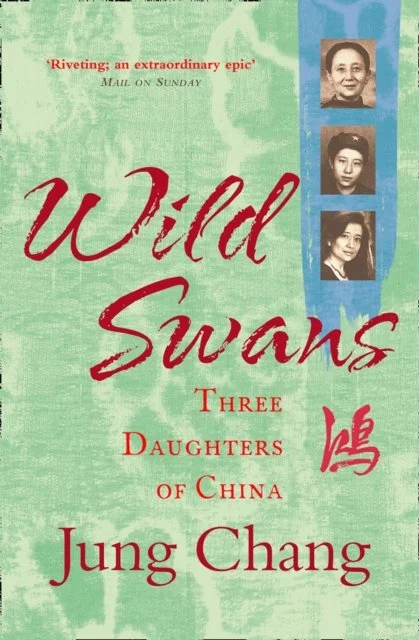
Wild Swans is a detailed and revealing memoir that spans three generations growing up in China under the rule of Mao Zedong. The text follows her grandmother given to the warlord as a concubine, the her mother who was a communist and the daughter herself. Banned due to criticisms towards the Chinese authorities and accusations of abuse and suffering all Jung Chang’s books are currently banned in mainland China.
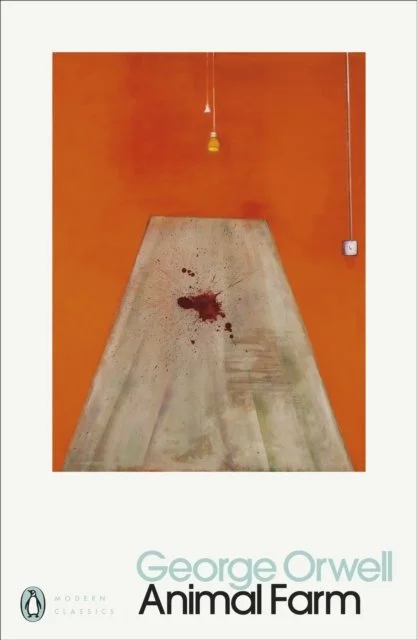
The allegorical satire of the Soviet Union meant that the book was banned in the USSR until the 1980s, but even before the book was published it was rejected several times by UK businesses due to the wartime alliance between the UK and the Soviet Union. It has also been banned in the UAE because of talking pigs which goes against Islamic values. The story was also restricted or banned in East Germany and Czechoslovakia during the Cold War.

Banned by The Irish censorship Board when it was published in 1960 for its discussion of female sexuality and independence. Local parishes burnt copies of the book during church services and the novel was branded as a ‘smear on Irish womanhood’ by the Archbishop of Dublin. It wasn’t until 1987 that the ban was lifted. Despite this, the book achieved international acclaim and is now celebrated as a modern classic.
In 1950 Norton Perina, a young doctor, embarks on an expedition to a remote Micronesian island in search of a rumoured lost tribe.
There he encounters a strange group of forest dwellers who appear to have attained a form of immortality that preserves the body but not the mind. Perina uncovers their secret and returns with it to America, where he soon finds great success. But his discovery has come at a terrible cost, not only for the islanders, but for Perina himself.

A provincial ambulance drives through the night in search of a hospital, a fifth-rate actor goes method as a hitman on a sweltering rooftop, a legendary knife fighter is found working on the factory floor of a northern village. Hunter's stories of deceptive, brutal realism play with myth and history, offering sketches of ordinary life that take a magic realist turn. Filled with dark humour and written with a tinge of noir, these stories grapple with the realities of life in contemporary China.
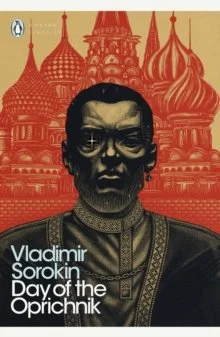
Haunting, terrifying and hilarious, The Day of the Oprichnik is a dazzling novel and a fierce critique of life in the New RussiaMoscow 2028: Andrei Danilovich Komiaga, oprichnik, member of the czar's inner circle of trusted courtiers, rouses himself from a drunken stupor and prepares for another day of debauchery, violence, terror and beauty. In this New Russia, futuristic technology combine with the draconian world of Ivan the Terrible to create a dystopia chillingly akin to reality. Over the twenty-four-hour span of the novel, Komiaga will rape, pillage and torture, in the name of the czar he fears and adores.
Shimmering with invention, fierce social commentary and razor-sharp wit, Day of the Oprichnik imagines a near future too disturbing to contemplate and too close to reality to ignore.
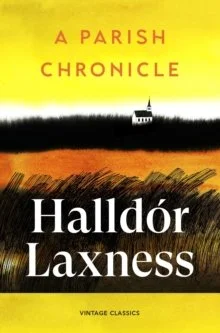
An intimate, magical novel about one enduring church in a rural Icelandic valley - an ode to a quiet way of life now lost to time forever The resting place of legendary Viking warrior Egil Skallagrímsson’s skull, Mosfell Church is a lonely, country church, fated to be destroyed. But as the plans to destroy it take shape, stories, myth and folklore abound in one magical last attempt to leave Mosfell standing.
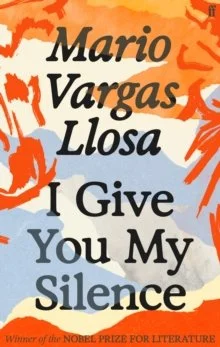
One evening, Toño Azpilcueta, a Peruvian folk music journalist, witnesses a performance that changes his life. Toño becomes obsessed with hearing the virtuoso guitarist Lalo Molfino play again, but the next he hears, Molfino is dead.
So begins a quest to uncover the story of this unforgettable musician. Toño tracks down the priest who rescued Molfino from a rubbish heap and raised him, the musicians who played with him and the girl who claimed to love him. Toño decides that he will write a book that will not only immortalize the hero of the Creole waltz but will establish the music he loved as a unifying symbol for his fractured country.
But the more Toño writes, the more he struggles to keep control of his story. As his savings dwindle and his paranoia rises, it becomes clear that writing a masterpiece is more complicated and consuming than he had realised.
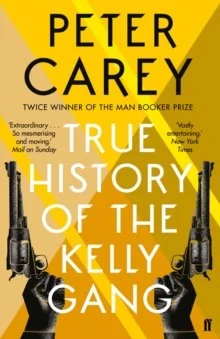
To the authorities in pursuit of him, outlaw Ned Kelly is a horse thief, bank robber and police-killer. But to his fellow ordinary Australians, Kelly is their own Robin Hood.
In a dazzling act of ventriloquism, Peter Carey brings the famous bushranger wildly and passionately to life.
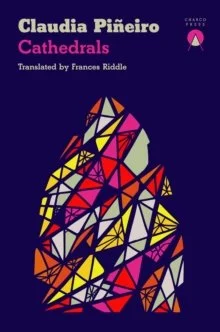
Lia fled her home after a brutal crime decades ago, but family, and the truth, will never let you go.Thirty years ago, in an empty plot of a quiet neighbourhood, a teenage girl's body was found quartered and burned. The investigation ended with no arrests and her family – middle class, educated, Catholic – quietly disintegrated. Three decades later, the hidden truth comes to light thanks to the father's enduring love for the victim.
That truth will reveal the raw realities lurking behind appearances, the cruelty of those who prioritize obedience and religious fanaticism, the complicity of the fearful and the indifferent, and the loneliness and desperation of those who seek to follow their own path, ignoring the dictates of their elders.Just as she did with Elena Knows and A Little Luck , Claudia Piñeiro delves into family ties, social prejudice, and the ideologies and institutions that affect our inner worlds to deliver a brave, moving novel that strikes at the heart of these private dramas.

Welcome to Taipei, Taiwan. The Chinese Civil War is now long over, but its shadow still haunts the city’s lost souls. A masterwork of Chinese short fiction - now published in the UK for the very first time - Taipei People follows the lives and losses of those who fled to Taipei after the 1949 Communist takeover of China.
Threaded through with yearning and nostaglia, brimming with lost loves and half-forgotten faces, with dark pasts and darker presents, this collection of fourteen tales is an ode to a city of exiles. These are stories for anyone who has ever left home, for anyone who has had to say goodbye, and for all those who were not able to. 'A master of portraiture' Henry Miller'The highest achievement in the contemporary Chinese story' Patrick Hanan
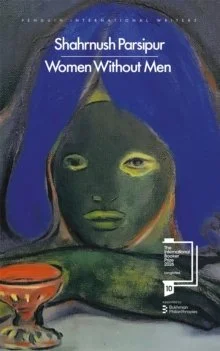
Women Without Men traces the interwoven destinies of five women – including a wealthy middle-aged housewife, a sex worker and a schoolteacher – as they arrive by different paths to live together in an abundant garden on the outskirts of Tehran. Drawing on elements of Islamic mysticism and recent Iranian history, this unforgettable novel depicts women escaping the narrow confines of family and society, and imagines their future living in a world without men.
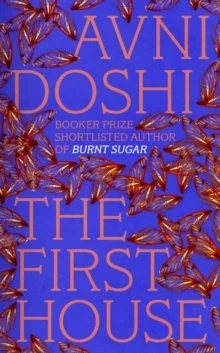
In the following days, marooned with two young daughters in a hostile suburb, the woman starts coming apart. As she sifts through the ruins of their shared life, she begins to notice the warning signs which she chose not to see the first time around. She wanders deep into the forest of her own mind, where marital memories intermingle with myths of headless women and vengeful goddesses, messages hidden in the constellations, glimpses of a natural world seething and alive with portents.
Over the course of a single summer, as the cicadas that have been buried in the ground for seventeen years prepare to emerge and fill the air with a plague of ecstatic transformation, the woman too is splitting, liquifying and reforming, stretching her new antennae toward the light. This is a novel about unhappy families – about poison seeping through the domestic space, the bloody battlefield of the home, the enduring threat posed by those closest to us. Stiletto-sharp and darkly hypnotic, it is a gripping psychodrama of unravelling and rebirth.
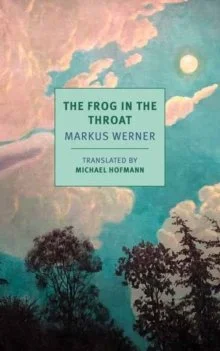
In a small town in Switzerland, Franz—ex-clergyman, ex-husband, current counselor of locals at loose ends— is being haunted by his recently deceased father, Klement. In life, Franz was caught cheating on his wife and defrocked, after which Klement never spoke to him again. In death, Klement visits his son in the form of a frog in the throat, choking him, yes, but also giving voice to an old dairy farmer devoted to the old ways, forever railing against his son and the whole modern mess he represents.
The same can be said of this novel, in which these two voices clash, harmonize, and ultimately offer up all the mutual recognition and incomprehension that is family life. A miniature tragicomic masterpiece, Markus Werner’s second novel is as bursting with life as a Dickens novel: not only Franz’s high-strung shenanigans and the father’s settled life among the cattle, but the lives of his sister and brother and the land all around.
As in all of Werner’s work, the world looks grim (“I sit around, I drink, I brood, I pat myself down for flaws and find many and each evening I say: Starting tomorrow, I’m going to get a grip on myself”) but never less than comic—a view captured marvellously in Michael Hofmann’s vivid translation.
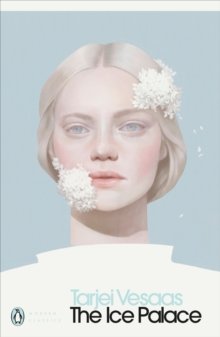
The schoolchildren call it the Ice Palace: a frozen waterfall in the Norwegian fjords transformed into a fantastic structure of translucent walls, sparkling towers and secret chambers. It fascinates two young girls, lonely Unn and lively Siss, who strike up an intense friendship. When Unn decides to explore the Ice Palace alone and doesn't return, Siss must try to cope with the loss of her friend without succumbing to a frozen world of her own making.
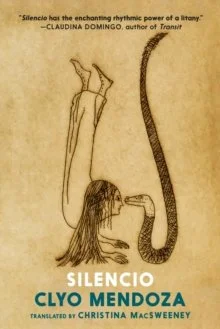
A lyrically haunting and powerful account of women surviving femicide and destruction in Mexico.
Silencio tells the story of Águeda, a young woman mourning the death of her mother. When the townspeople deny her a grave in the local cemetery, the mother’s bodyvanishes. Águeda knows her father is hiding it, and when she confronts him, hepunishes her defiance with confinement.
Serving her sentence in a house, Águeda lives within those walls as if in asecond maternal womb – one that will transform her. In chapters alternating between the real and the imaginary, she mourns the destroyed futures of thosewho were silenced as she listens to her neighbours’ stories of loss – a childworker; a boy from the Tacuate community; and Mexican refugees in Canada. Through the walls, she senses the world: birds in dialogue, the beauty of thearid landscape, experiences of love and devastation. She comes to realize thatin this mountain region that resembles the author’s hometown of Oaxaca, where organised crime holds sway, many – like her – mourn their dead and search for the disappeared.
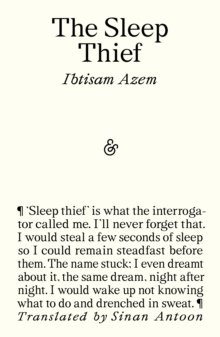
‘Sleep thief is what the interrogator called me. I’ll never forget that. I would steal a few seconds of sleep so I could remain steadfast before them.
The name stuck; I even dreamt about it, the same dream, night after night. I woke up not knowing what to do and drenched in sweat.’ The experimental first novel from International Booker-Prize longlisted Palestinian author Ibtisam Azem, The Sleep Thief follows the life of Gharib (“the Stranger”) Haifawi as he comes of age, is drawn into resistance, makes friends, meets lovers, pushes back against traditional values, longs to be free of the labels and expectations that burden him, rails against the commodification of suffering, and dreams of a Palestinian identity that will transcend sorrow.
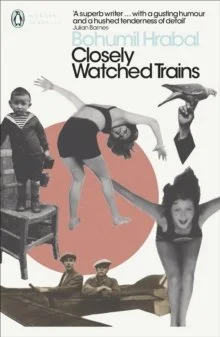
For gauche young apprentice Milos Hrma, life at the small but strategic railway station in Bohemia in 1945 is full of complex preoccupations. There is the exacting business of dispatching German troop trains to and from the toppling Eastern front; the problem of ridding himself of his burdensome innocence; and the awesome scandal of Dispatcher Hubicka's gross misuse of the station's official stamps upon the telegraphist's anatomy. Beside these, Milos's part in the plan for the ammunition train seems a simple affair.
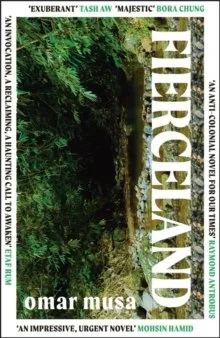
After many years abroad, Harun and Roz return to Malaysian Borneo for the funeral of their palm-oil baron father, Yusuf - and to reckon with their inheritance. Yusuf might be a hero to many, but his children know that not only has he built the family's immense wealth by destroying huge tracts of rainforest, but also that he was involved in the violent disappearance of a man who stood in his way. Harun is a successful tech entrepreneur in Los Angeles while Roz is an artist struggling to stay afloat in Sydney, and both are determined to return something their father stole from the forests of their homeland.
In their quest for redemption they grapple with the legacy of power and corruption and are haunted - by the ghosts of colonialism, the ghosts of family, the ghosts of language, and the ghosts of the forest itself. A trailblazing journey across the globe, Fierceland is a language-bending story that weaves the past and the present into an emotionally powerful family saga that plays out at a mythical scale.
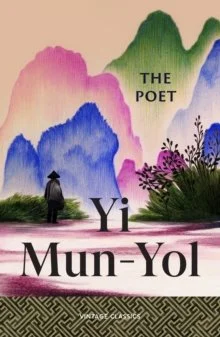
The life of a poet becomes a parable of hope in Yi Mun-yol’s searching novella of art, status and selfhood. With their family condemned as traitors, two young brothers are sent away in disguise to save their lives. One grows up by his wits, accepting what has been lost.
The other is set on a different path, shaped by a determination to restore the family’s place in the world. As he wanders in search of recognition as a poet, ambition and survival begin to pull him in opposing directions.
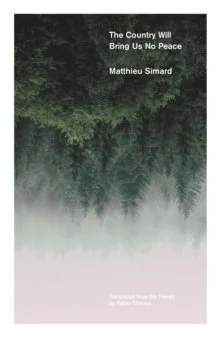
Simon and Marie can't seem to have a baby. They decide to flee the city for an idyllic village, where things, they tell themselves, must be better. But their new home is gloomy, threatening, tinged with tragedy - things have not been the same since the factory closed down and the broadcast antenna was erected.
In the trees, no birds are singing, and people have started disappearing... The Country Will Bring Us No Peace is celebrated Quebecois author Matthieu Simard's first work to be translated into English and published in the UK; a strange and poignant novella exploring grief and its aftermath.
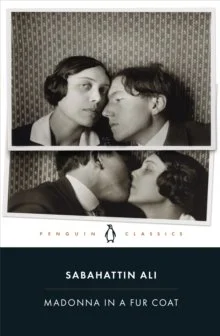
A shy young man leaves his home in rural Turkey to learn a trade in 1920s Berlin. The city's crowded streets, thriving arts scene, passionate politics and seedy cabarets provide the backdrop for a chance meeting with a woman, which will haunt him for the rest of his life.
Emotionally powerful, intensely atmospheric and touchingly profound, Madonna in a Fur Coat is an unforgettable novel about new beginnings and the unfathomable nature of the human soul.
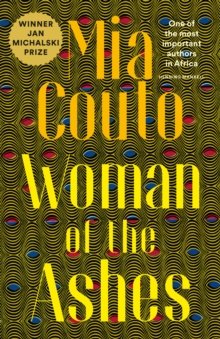
At the turn of the nineteenth century, the Gaza province of Mozambique is drowning in a torrent of war. Imani, a fifteen-year-old girl, struggles with her cultural identity as she is torn between her VaChopi roots and the occupying Portuguese. Her life becomes further fractured as her family is broken apart amid the conflict.
Germano, a sergeant wrestling with guilt and grandeur, attempts to subdue one of the last African kingdoms, but meanwhile falls in love with Imani and loses himself to an infectious madness. In this vivid and enchanting novel, Mia Couto masterfully interweaves history with folklore and has managed to create a work of rare originality and imagination.
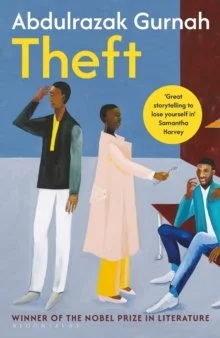
What are we given, and what do we have to take for ourselves?
It is the 1990s. Growing up in Zanzibar, three very different young people - Karim, Fauzia and Badar - are coming of age, and dreaming of great possibilities in their young nation. But for Badar, an uneducated servant boy who has never known his parents, it seems as if all doors are closed.
Brought into a lowly position in a great house in Dar es Salaam, Badar finds the first true home of his life - and the friendship of Karim, the young man of the house. Even when a shattering false accusation sees Badar sent away, Karim and Fauzia refuse to turn away from their friend.
But as the three of them take their first steps in love, infatuation, work and parenthood, their bond is tested - and Karim is tempted into a betrayal that will change all of their lives forever.

Minor Detail begins during the summer of 1949, one year after the war that the Palestinians mourn as the Nakba – the catastrophe that led to the displacement and expulsion of more than 700,000 people – and the Israelis celebrate as the War of Independence. Israeli soldiers capture and rape a young Palestinian woman, and kill and bury her in the sand. Many years later, a woman in Ramallah becomes fascinated to the point of obsession with this ‘minor detail’ of history.
A haunting meditation on war, violence and memory, Minor Detail cuts to the heart of the Palestinian experience of dispossession, life under occupation, and the persistent difficulty of piecing together a narrative in the face of ongoing erasure and disempowerment.
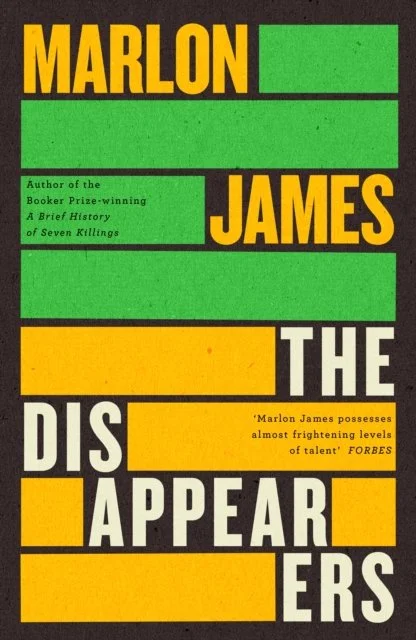
The Disappearers is Marlon James’s triumphant return to the Jamaica of A Brief History of Seven Killings – a place of heat and chaos, and of danger for anyone outside the heteronormal.
So when eight gay men meet for the first time, in Kingston in 1988, answering the casting call for an openly queer play, they are already taking a big risk. But that is nothing compared to what rains down on them when a mob descends on one of their rehearsals. By the end of this night, one man is dead, all are injured, and two subsequently disappear.
As the survivors heal, each man finds he must confront the bigotry and homophobia that the attack laid bare. Some try to forget; some embrace their rage; and some simply vanish – but all are forever scarred. As one of the victims puts it, ‘there’s a difference between when something ends and when something stops’.
And this story won’t stop until both the disappearers and the perpetrators have been tracked, along trails both hot and cold, and an ending reached. Epic and intimate, violent and forgiving, The Disappearers is a tour de force which only Marlon James could have written – both an unflinching portrait of the hatred and shame faced by gay men in a society which refuses to accept them, and a deeply human story of acceptance and insight.
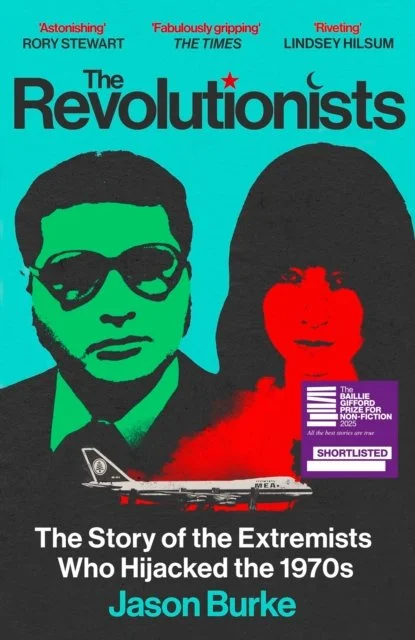
A thrilling and unprecedented account of the radicalism and political extremism that gripped the 1970s – a seismic decade that transformed the modern world.
In the 1970s, a network of extremists terrorised the West with intricately planned plane hijackings and hostage-takings. Among them were the glamorous Leila Khaled, hard-drinking Carlos the Jackal, and radical leftists of the Baader-Meinhof Gang, all united by their hatred of Israel, capitalism and ‘Western imperialism’.
Their audacious attacks brought governments to their knees and glued nations to their TV screens. Drawing on decades of research, declassified and secret documents, and first-hand interviews with hijackers, spies, witnesses and victims, Jason Burke takes us inside these often-deadly operations. In this underground realm of loyalty, betrayal and commitment to radical change at any cost, he reveals the dark origins of our fractured world today.
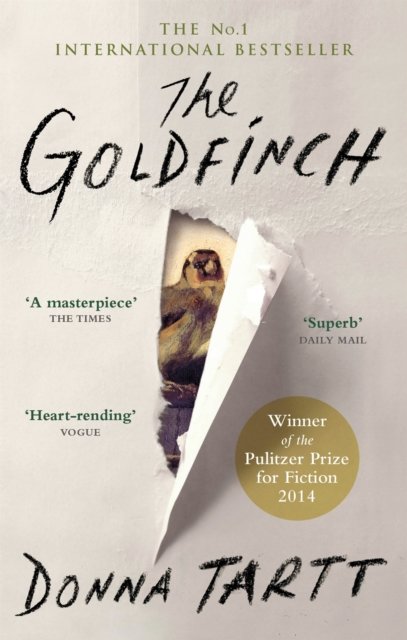
Winner of the Pulitzer Prize for Fiction 2014.
Aged thirteen, Theo Decker, son of a devoted mother and a reckless, largely absent father, survives an accident that otherwise tears his life apart. Alone and rudderless in New York, he is taken in by the family of a wealthy friend. He is tormented by an unbearable longing for his mother, and down the years clings to the thing that most reminds him of her: a small, strangely captivating painting that ultimately draws him into the criminal underworld.
As he grows up, Theo learns to glide between the drawing rooms of the rich and the dusty antiques store where he works. He is alienated and in love - and his talisman, the painting, places him at the centre of a narrowing, ever more dangerous circle. The Goldfinch is a haunted odyssey through present-day America and a drama of enthralling power.
Combining unforgettably vivid characters and thrilling suspense, it is a beautiful, addictive triumph - a sweeping story of loss and obsession, of survival and self-invention, of the deepest mysteries of love, identity and fate.
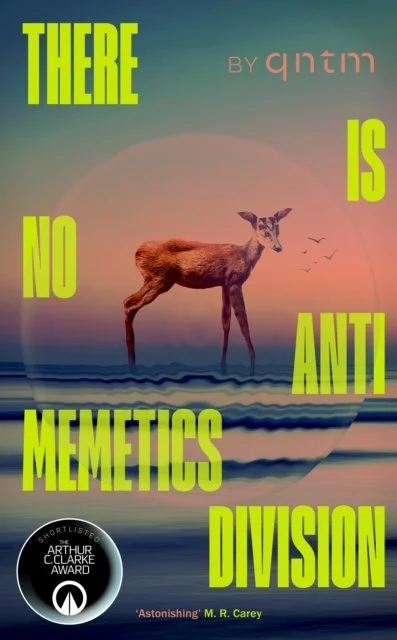
An antimeme is an entity with self-censoring properties. Some are benign; but others, less so…These entities can feed on your most cherished memories, the things that make you you – and you’ll never even know anything changed.
And they aren’t just feeding on us. They’re invading. But how do you contain something you can't record or remember? How do you fight against an enemy with effortless, perfect camouflage, when you can never even know that you're at war?
WELCOME TO THE ANTIMEMETICS DIVISIONNO, THIS IS NOT YOUR FIRST DAY
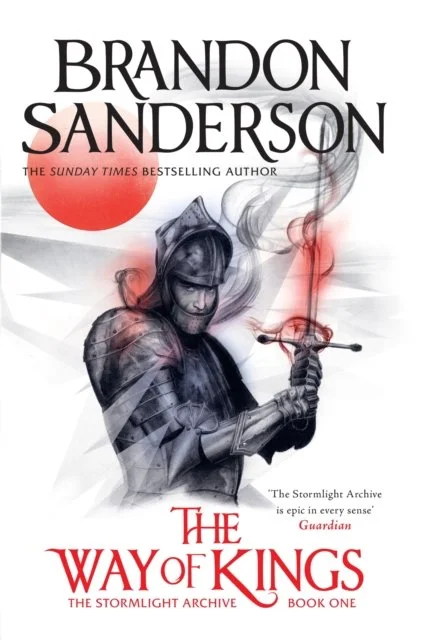
The groundbreaking first book of an epic series that has changed the face of fantasy. The Way of Kings begins The Stormlight Archive.
Speak again the ancient oaths: Life before death. Strength before weakness. Journey before Destination. Return to men the Shards they once bore. The Knights Radiant must stand again.
Roshar is a world of stone and storms. Uncanny tempests of incredible power sweep across the rocky terrain so frequently that they have shaped ecology and civilization alike. Animals hide in shells, trees pull in branches, and grass retracts into the soilless ground.
Cities are built only where the topography offers shelter. It has been centuries since the fall of the ten consecrated orders known as the Knights Radiant, but their Shardblades and Shardplate remain: mystical swords and suits of armor that transform ordinary men into near-invincible warriors. Men trade kingdoms for Shardblades.
Wars were fought for them, and won by them. One such war rages on a ruined landscape called the Shattered Plains. There, Kaladin, who traded his medical apprenticeship for a spear to protect his little brother, has been reduced to slavery.
In a war that makes no sense, where ten armies fight separately against a single foe, he struggles to save his men and to fathom the leaders who consider them expendable. Brightlord Dalinar Kholin commands one of those other armies. Like his brother, the late king, he is fascinated by an ancient text called The Way of Kings.
Troubled by over-powering visions of ancient times and the Knights Radiant, he has begun to doubt his own sanity. Across the ocean, an untried young woman named Shallan seeks to train under an eminent scholar and notorious heretic, Dalinar's niece, Jasnah. Though she genuinely loves learning, Shallan's motives are less than pure.
As she plans a daring theft, her research for Jasnah hints at secrets of the Knights Radiant and the true cause of the war.

Jamaica, 1976.
Seven gunmen storm Bob Marley's house, machine guns blazing. The reggae superstar survives, but the gunmen are never caught.
In A Brief History of Seven Killings, Marlon James reimagines the story behind this near-mythical event, chronicling the lives of a host of unforgettable characters from street kids, drug lords and journalists, to prostitutes and secret service agents. Gripping, inventive and ambitious, it is one of the most mesmerising and influential novels of the twenty-first century.
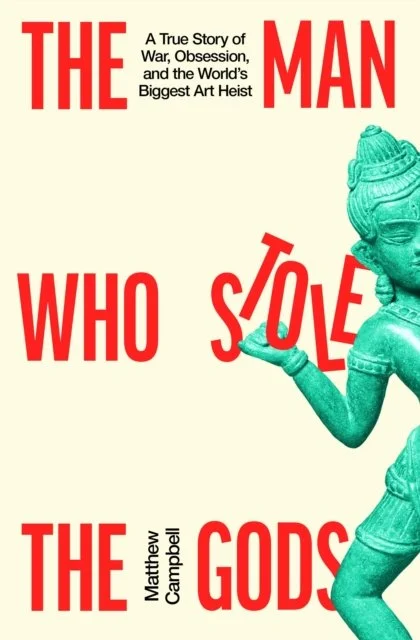
An unbelievable table of greed, looted treasures and stolen history in the world's biggest art heist. In the shattered aftermath of Cambodia’s civil war, temples that had stood for centuries were found ransacked - sacred sculptures hacked from pedestals, towering statues of Hindu gods and priceless relics of the Khmer Empire vanished. At the centre of this vast plunder, British expatriate Douglas Latchford, whose decades-long obsession fuelled one of the most audacious cultural thefts of modern times.
From the Killing Fields of the Khmer Rouge to the marble galleries of New York and London and the private collections of the rich and famous, The Man Who Stole the Gods unravels a breathtaking story of power, greed and corruption, and asks what you take from a nation when you steal its past. Drawing on years of investigation and exclusive access to the stories’ key players – from temple looters and traffickers to the investigators and archaeologists fighting to bring masterpieces home – award-winning writer Matthew Campbell reveals how the treasures of one of the world’s greatest civilizations were stolen, sold and finally found.
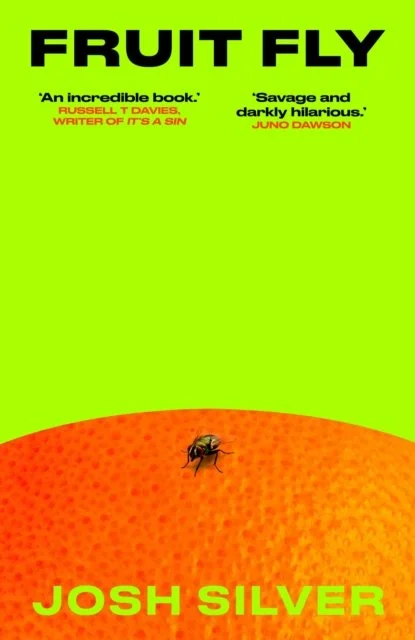
Anyone can write a bestseller. Here’s how…GO GAYIt’s been seven years since Mallory shot to fame as a literary sensation.
But after years of struggling with writer’s block, she’s desperate to resurrect her career before it spirals into obscurity. She needs inspiration to strike – and fast. GO SADEnter Leo – a young struggling addict sleeping under bridges and trading sex for survival.
He’s vulnerable. He’s enigmatic. He’s exactly what Mallory has been looking for.
GO DARKMallory needs Leo if she wants another bestseller. Authenticity sells, and there’s nothing more authentic than real life. She’s the perfect person to tell Leo’s story.
Gay, sad, dark – just what the world needs right now. But as secrets threaten to unravel more than just her career, Mallory must decide: just how far will she go to pen the perfect story?
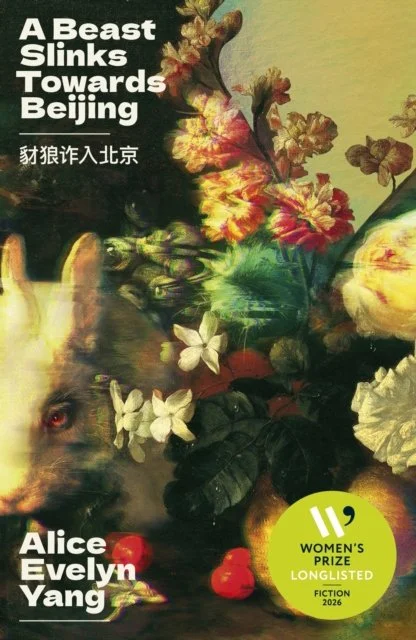
Qianze has not seen her father in eleven years, since he walked out of her life the night of her fourteenth birthday and disappeared without a trace. But then she gets a call-there is a man on the porch of her childhood home, and he's asking for her. This man isn't the Ba Qianze remembers: he is much older, more fragile, and worst of all, haunted by a half-forgotten prophecy.
While Qianze wrestles with what she owes this near-stranger, Ba begins telling stories of his past. From his bloody days as a Red Guard during the Cultural Revolution to his mother's youth under Japanese occupation, he circles around the prophecy he came to deliver. Qianze has always longed to know more about her family history, but as Ba reveals a past far darker than she could have imagined, she finds herself plagued by strange visions-fox spirits trail her on her evening commute, a terrifying jackalope stalks her nightmares, and the looming prophecy slinks ever closer.
Spanning decades and continents, A Beast Slinks Towards Beijing is a dark, magical realist family saga that moves through the Japanese occupation of Manchuria, the Cultural Revolution, and the present day to explore the effects of intergenerational trauma, the legacy of colonialism and inescapability of fate in stunningly rendered folklore.
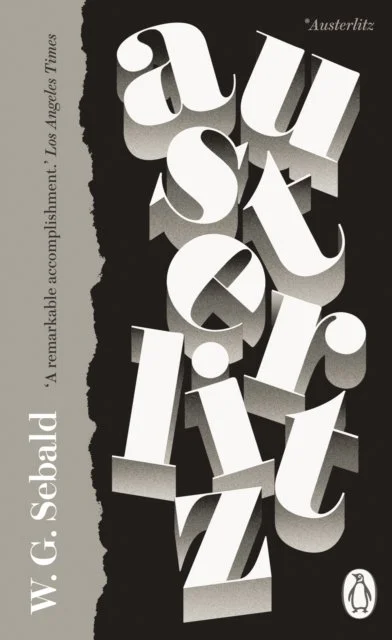
Austerlitz is W. G. Sebald's haunting novel of post-war Europe.
In 1939, five-year-old Jacques Austerlitz is sent to England on a Kindertransport and placed with foster parents. This childless couple promptly erase from the boy all knowledge of his identity and he grows up ignorant of his past. Later in life, after a career as an architectural historian, Austerlitz - having avoided all clues that might point to his origin - finds the past returning to haunt him and he is forced to explore what happened fifty years before.
Austerlitz is W.G. Sebald's melancholic masterpiece.
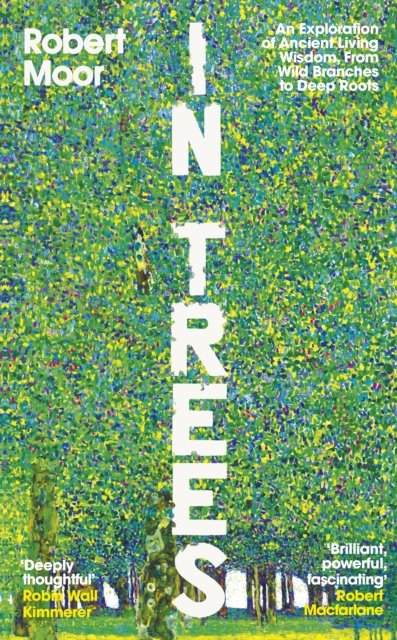
A tree is not just a type of being, it is also a way of being – one that is wildly creative, fantastically resilient, and most of all, deeply rooted...
From bestselling author Robert Moor comes a wondrous journey through the wilds of nature and the gnarls of history, exploring how trees – from the tiniest bonsai to the mightiest sequoia – teach us to grow wise. One day, on a whim, Robert Moor set out to climb a tree near his home, unwittingly embarking on what would become a decade-long, globe-spanning adventure. Drawing on an astonishing range of thinkers, from cutting-edge scientists to ancient philosophers, Moor explores how trees have shaped human lives for millennia – and how they can guide us into the future.
His hunt for the ‘wisdom of trees’ takes him from the Lake District to Ethiopia, Tanzania, Papua and Japan. He dines with David Attenborough, naps with chimpanzees and risks his life to save an ancient forest. Along the way, Moor investigates some of humanity’s oldest mysteries: What is the secret to growing old well? How do we set down roots in an increasingly chaotic world? And most importantly, how should we – as individuals, as communities, as stewards of the Earth – live?What begins as an ode to the miracle of trees blossoms into a joyous, daring, fiercely hopeful endeavour to broaden our minds and deepen our connections.
To truly grasp the wisdom of a tree, this bold new classic announces, you must learn to think like one.
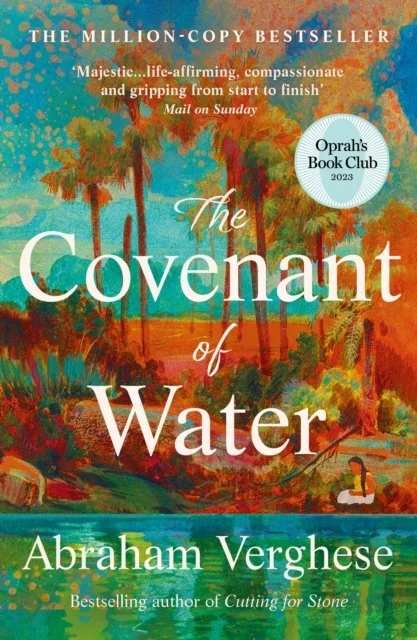
Spanning the years 1900 to 1977, The Covenant of Water follows a family in southern India that suffers a peculiar affliction: in every generation, at least one person dies by drowning - and in Kerala, water is everywhere.
At the turn of the century a twelve-year-old girl, grieving the death of her father, is sent by boat to her wedding, where she will meet her forty-year-old husband for the first time. From this poignant beginning, the young girl and future matriarch - known as Big Ammachi - will witness unthinkable changes at home and at large over the span of her extraordinary life, full of the joys and trials of love and the struggles of hardship. A shimmering evocation of a lost India and of the passage of time itself, The Covenant of Water is a hymn to progress in medicine and to human understanding, and a humbling testament to the hardships undergone by past generations for the sake of those alive today.
Imbued with humour, deep emotion and the essence of life, it is one of the most masterful literary novels published in recent years.
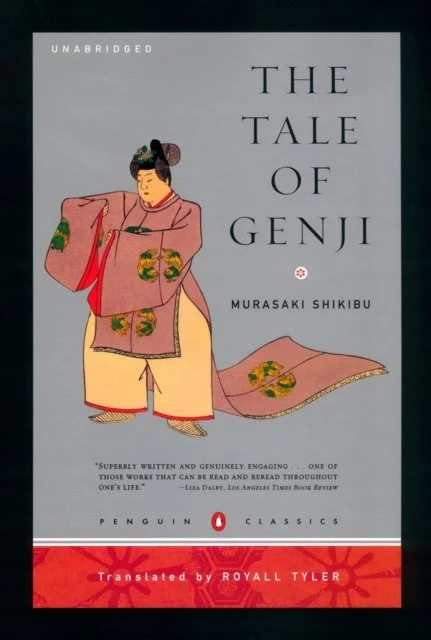
The first complete new translation for 25 years of the acknowledged masterpiece of Japanese literature. Lady Murasaki's great 11th century novel is a beautifully crafted story of love, betrayal and death at the Imperial Court. At the core of this epic is Prince Genji, the son of an emperor, whose passionate character, love affairs and shifting political fortunes, offer an equisite glimpse of the golden age of Japan.
Royal Tyler's superb new translation is scrupulously true to the Japanese original but appeals immeadiately to the modern reader. This edition also includes notes, glossaries, character lists and a chronology to enable the reader to appreciate the richness of this classic of world literature.
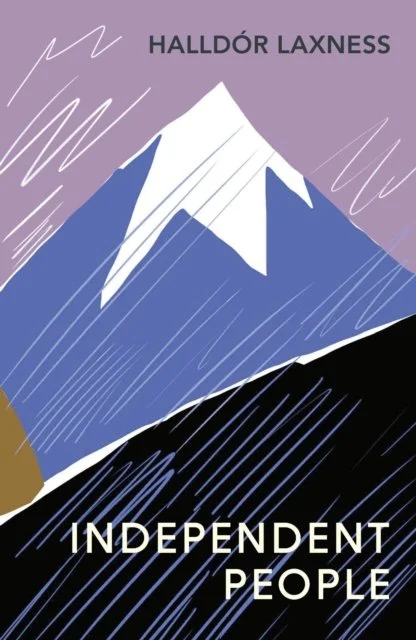
The great Icelandic novel written by a Nobel prize-winner, this is a magnificent portrait of the eerie Icelandic landscape and one man's dogged struggle for independence. ‘In Iceland it’s the canon, but to me it’s a cult classic’ Zadie Smith‘I defy anyone to finish Halldór Laxness's Independent People without wetting the pages with tears’ Jonathan Franzen‘Favourite book? Independent People… I love it’ Ann PatchettBjartus is a sheep farmer determined to eke a living from a blighted patch of land in rural Iceland. Nothing, not merciless weather, nor his family, will come between him and his goal of financial independence.
Only Asta Solillja, the child he brings up as his daughter, can pierce his stubborn heart. As she grows up, keen to make her own way in the world, Bjartus's obstinacy threatens to estrange them forever.
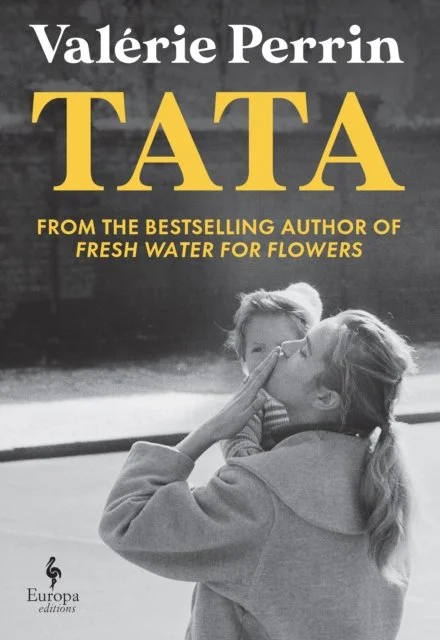
Tata begins with a mystery—Agnès is asked to identify the body of her beloved aunt Colette—who, as far as she knows, died three years earlier. From this phone call, Valérie Perrin crafts a compelling blend of family saga and literary suspense. As Agnès searches for the truth, long-buried secrets and hidden lives come to light, revealing an unforgettable cast of characters and the extraordinary story of the woman she thought she knew.
At the heart of the novel is Colette—Agnès’s beloved aunt—whose decision to fake her own death sets in motion a richly layered tale of resilience, identity, and reinvention. Told with warmth, humour, and emotional depth, Tata is a captivating story about the mysteries that shape a life and the courage that is required of women who choose to forge one's own path.
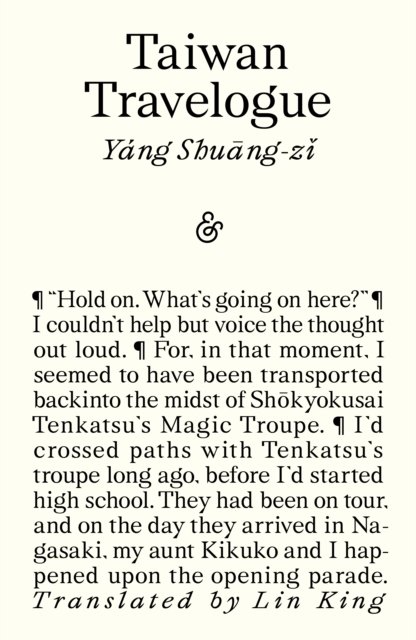
Disguised as a translation of a rediscovered text by a Japanese writer, Taiwan Travelogue is a bittersweet story of love between two women, nested in an artful exploration of language, history and power.
Set in May 1938, the young novelist Aoyama Chizuko sails from Japan to Taiwan where her interpreter proffers tantalising glimpses of island life and helps her to taste as much of cuisine as her larger-than-life appetite can bear.
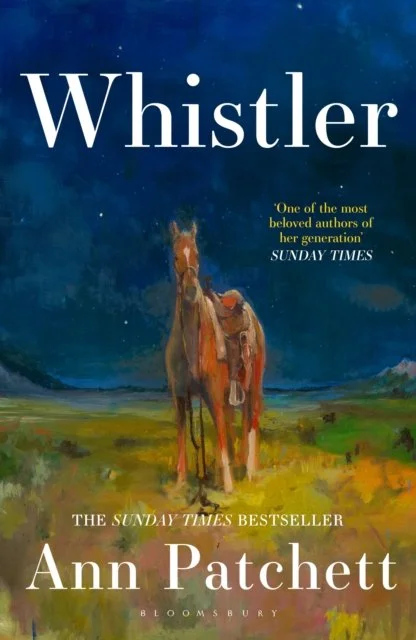
When Daphne notices an older gentleman following her around the Metropolitan Museum of Art in New York, she doesn’t expect it to be Eddie – her former stepfather. Married to her mother for a short time when Daphne was nine, she hasn’t seen Eddie for many years; not since the fateful event that changed the direction of both their lives. Meeting again now, Daphne and Eddie feel that time has fallen away.
Their earlier relationship was brief but had a profound impact on both of them. Together, they consider not only their past, but the joys of the present and their commitment to face the future together. A moving, luminous story about how family, memory and love endures, Whistler paints an intimate portrait of how the feeling of being known by one other person, even for a short period of time, can change everything.
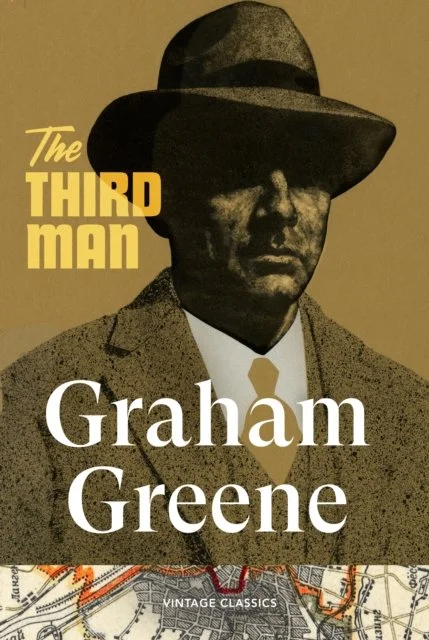
Graham Greene’s iconic thriller – a shocking tale of espionage and deceit, told from amongst the smouldering ruins of war-torn Europe. Rollo Martins, a second-rate novelist, arrives penniless in post-war Vienna to visit his friend and hero, Harry Lime. But Harry has died in suspicious circumstances, and the police are closing in on his associates...
BRIEF ENCOUNTERS: classic novellas and captivating stories, to be read in a single sitting or savoured over days
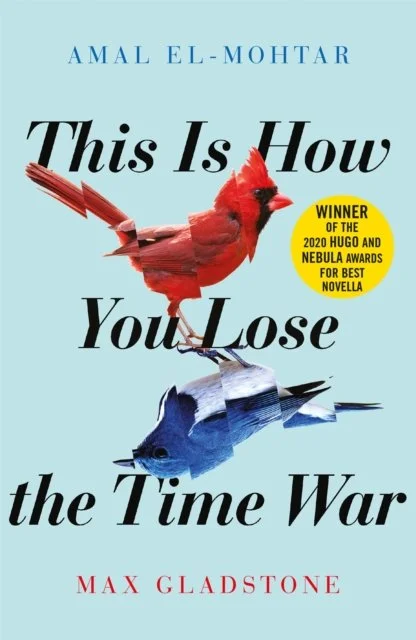
Co-written by two award-winning writers, This Is How You Lose the Time War is an epic love story spanning time and space. Among the ashes of a dying world, an agent of the Commandant finds a letter.
It reads: Burn before reading.
Thus begins an unlikely correspondence between two rival agents hellbent on securing the best possible future for their warring factions. Now, what began as a taunt, a battlefield boast, grows into something more. Something epic.
Something romantic. Something that could change the past and the future. Except the discovery of their bond would mean death for each of them.
There's still a war going on, after all. And someone has to win that war. That's how war works.
Right?
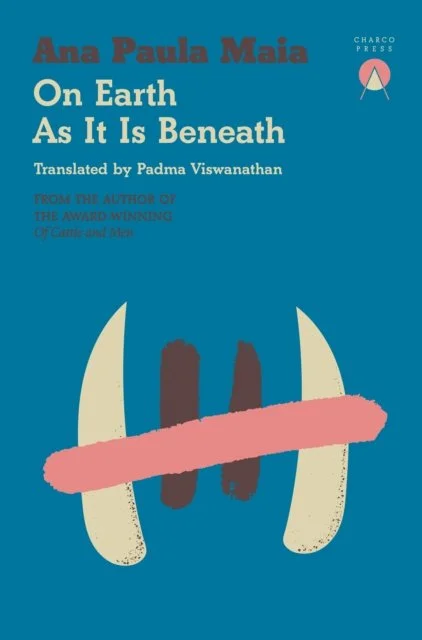
INTERNATIONAL BOOKER PRIZE SHORTLISTED 2026.
On land where enslaved people were once tortured and murdered, the state built a penal colony in the wilderness, where inmates could be rehabilitated, but never escape. Now, decades later, and having only succeeded in trapping men, not changing them for the better, its operations are winding down. But in the prison’s waning days, a new horror is unleashed: every full-moon night, the inmates are released, the warden is armed with rifles, and the hunt begins.
Every man plans his escape, not knowing if his end will come at the hands of a familiar face, or from the unknown dangers beyond the prison walls. Ana Paula Maia has once again delivered a bracing vision of our potential for violence, and our collective failure to account for the consequences of our social and political action, or inaction. No crime is committed out of view for this novelist, and her raw, brutal power enlists us all as witness.
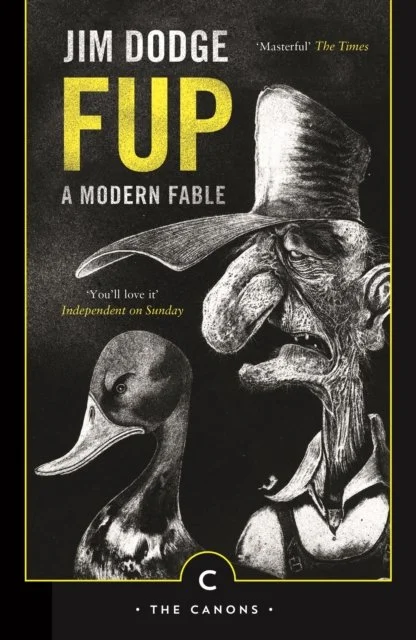
There's Grandaddy Jake Santee, 99 years old, an unreformed gambler, cranky reprobate and fierce opponent of the work ethic. Thanks to his home-distilled hooch, Ol' Death Whisper, he reckons he's in with good shot at immortality. And then there's Tiny, adopted at the age of four by Grandaddy Jake, a giant young man as gentle as Jake is belligerent.
And then there's Fup, an uncompromising twenty-pound mallard, partial to a drink herself, whose unique presence transforms the Santee household. Hilarious, heartwarming and magical, Fup is a contemporary fable that inspires an almost evangelical fervour in all who read it. It is a work of enormous originality with a giant heart.
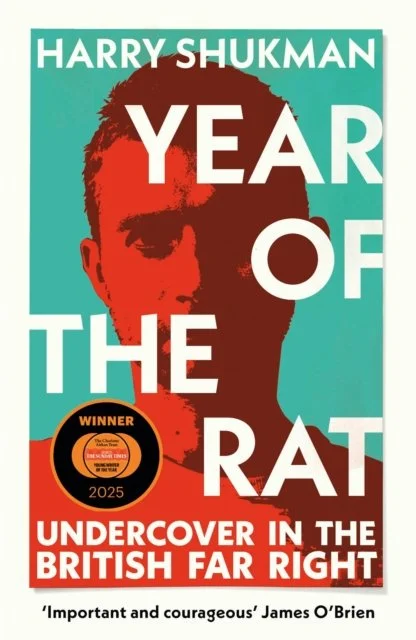
Harry Shukman led a double life.
Friends and family knew him as a journalist, but unbeknownst to them he was secretly infiltrating the British far right. Equipped with a hidden camera, he posed as 'Chris' and set out to expose right-wing extremists. From canvassing with Britain First to befriending Holocaust deniers, neo-Nazis and a Silicon Valley-backed race-science organisation, Shukman again and again risked his safety and sanity to remove the far right’s terrifyingly everyday mask.
Now, we must ensure it stays off.

Inspired by a cult video game and now adapted into an acclaimed film, Exit 8 is an innovative work of storytelling, and an ingenious locked-room mystery unlike any other. A young man is riding the Tokyo subway when he receives a life-changing text message from his ex-girlfriend. He exits the train, but extraordinary things begin to happen, and he finds he cannot escape.
Why is he trapped? Is it related to the text message he received? Will he solve the clues before it is too late?The subway will loop endlessly unless he follows precise rules:Do not overlook any anomalies. If you find an anomaly, turn back immediately. If you do not find any anomalies, do not turn back.
GET OUT THROUGH EXIT 8.
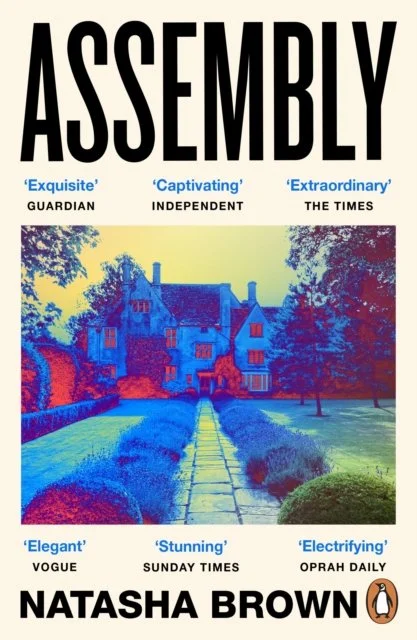
Come of age in the credit crunch. Be civil in a hostile environment.
Step out into a world of Go Home vans. Go to Oxbridge, get an education, start a career. Do all the right things.
Buy a flat. Buy art. Buy a sort of happiness.
But above all, keep your head down. Keep quiet. And keep going.
The narrator of Assembly is a Black British woman. She is preparing to attend a lavish garden party at her boyfriend's family estate, set deep in the English countryside. At the same time, she is considering the carefully assembled pieces of herself.
As the minutes tick down and the future beckons, she can't escape the question: is it time to take it all apart?
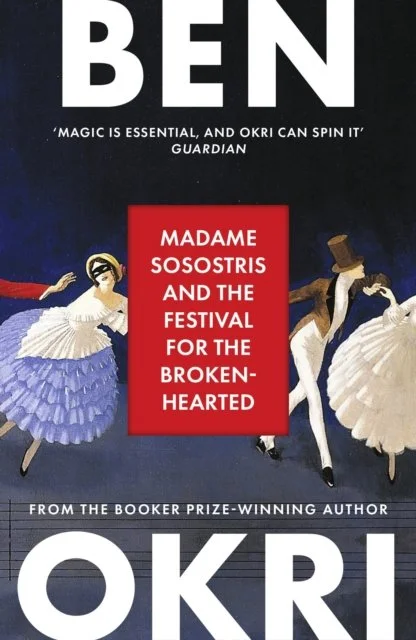
Hearts will be healed and hearts broken, but no one will leave this festival as they arrived…Viv has turned heartbreak into spectacle: a one-night-only masked festival at a French château, marking the anniversary of her first husband’s departure. Guests roam the moonlit woods in search of reinvention, all waiting for Madame Sosostris, the elusive clairvoyant of The Waste Land, rumoured to appear after decades in hiding.
But as midnight nears, disguises slip, emotions ignite and Viv’s carefully planned celebration begins to unravel. Enchanting and unsettling, this midsummer tale explores love, illusion and the strange transformations of a single night.
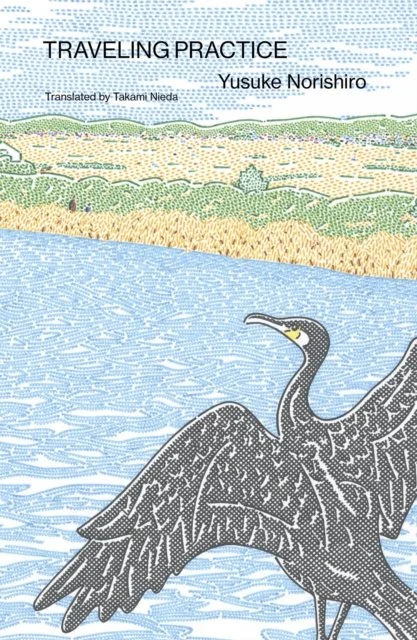
Traveling Practice follows a novelist and his spirited niece as they embark on a walk across the Japanese countryside during the last days before the pandemic. Through their journey, the book masterfully explores themes of memory and the power of writing to capture fleeting moments and preserve them. Nominated for the prestigious Akutagawa Prize and winner of both the Mishima Yukio Prize and the Tsubota Joji Literature Prize, Traveling Practice’s quiet, reflective tone and focus on the characters’ inner lives elevate it beyond a simple travel story, establishing it as a significant work of literary fiction.
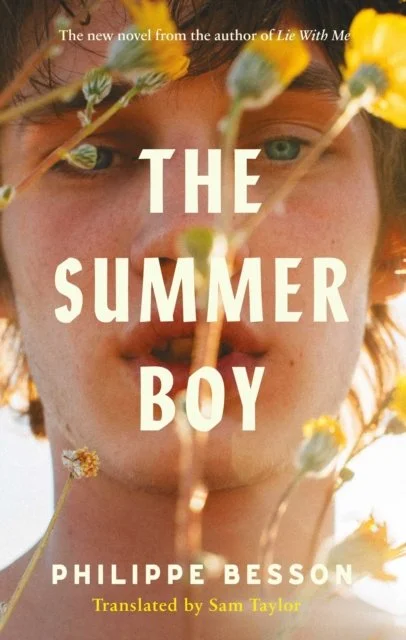
On an island off the coast of France, six teenagers come together for a summer of desire and discovery until one of them vanishes forever, leaving the rest with an enduring mysteryTell me, do you know why the most beautiful love stories must always end badly?In the summer of 1985, on a scruffy resort island off the coast of France, six teenagers—five boys and one girl—band together for a final golden season before adulthood. Their days are drenched in sun and freedom, and their nights simmer with secrets, jealousy, and longing. Philippe is drawn to Nicolas, the quiet new boy who sees him in a way that no one else does.
As their bond deepens, part of Nicolas remains unreachable—until a sudden tragedy brings their summer to a brutal end. The Summer Boy is a lush and unforgettable autobiographical tale, capturing the ineffable summers of youth in amber. Celebrated novelist Philippe Besson has shaped his memories into an aching meditation on how one summer night—and one fierce connection—can echo across a lifetime.
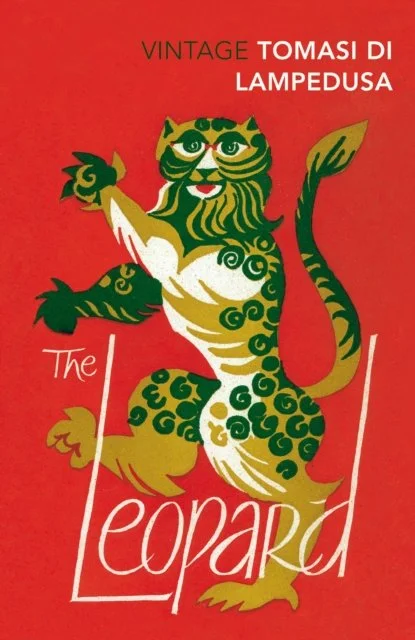
The Leopard is a modern classic which tells the spellbinding story of a decadent, dying Sicilian aristocracy threatened by the approaching forces of democracy and revolution. 'There is a great feeling of opulence, decay, love and death about it' Rick SteinIn the spring of 1860, Fabrizio, the charismatic Prince of Salina, still rules over thousands of acres and hundreds of people, including his own numerous family, in mingled splendour and squalor. Then comes Garibaldi's landing in Sicily and the Prince must decide whether to resist the forces of change or come to terms with them.
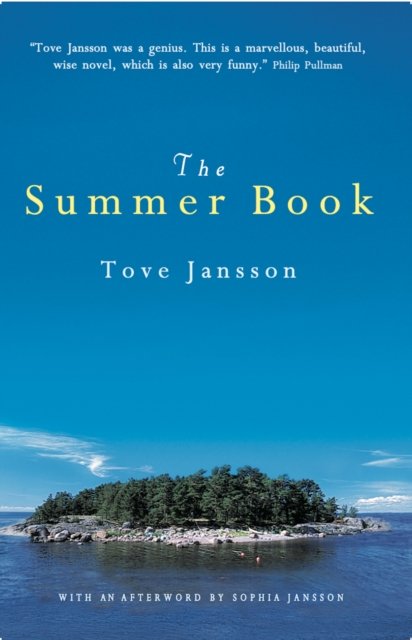
Tove Jansson's classic, bestselling novel.
The Worldwide Classic about a tiny island and larger love. An elderly artist and her six-year-old grand-daughter while away a summer together on a tiny island in the gulf of Finland. As the two learn to adjust to each other's fears, whims and yearnings, a fierce yet understated love emerges - one that encompasses not only the summer inhabitants but the very island itself.
Written in a clear, unsentimental style, full of brusque humour, and wisdom, The Summer Book is a profoundly life-affirming story. Tove Jansson captured much of her own life and spirit in the book, which was her favourite of her adult novels. With a foreword by Esther Freud and an afterword by Sophia Jansson (on whom the child 'Sophia' is based) who returns to the island during the pandemic at the point of becoming a grandmother herself.
Includes a 15pp epilogue by Tove's niece Sophia Jansson - the inspiration for 'Sophia' - on a personal and moving return to the island.
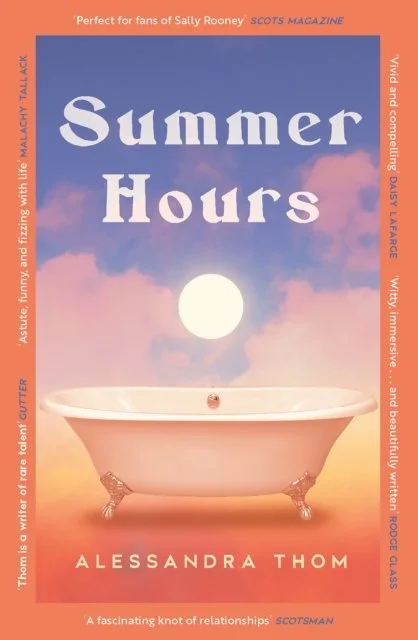
It's a hot Edinburgh summer, and Roisin’s life is stagnating. She spends her days cancelling plans, skipping work and drinking lukewarm wine in the bathtub with her best friend Eve. When their wealthy mutual friend Claire offers Roisin a significant amount of money under the guise of ‘freelance work,’ Roisin thinks her luck might finally be changing.
But Claire’s proposal is not all it seems, and soon Roisin finds herself trapped. Paralysed by both her intense infatuation with Eve and her secret arrangement with Claire, Roisin must walk a delicate line to avoid losing what matters to her most.
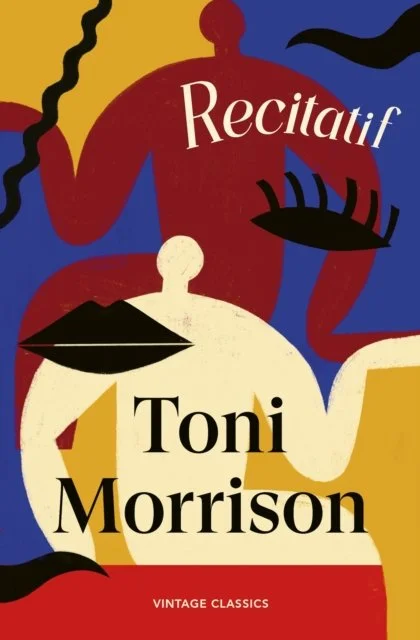
A stunning, timeless story about race, friendship, what keeps us apart and what drives us apart, from the one and only Toni Morrison, with an introduction by Zadie Smith. Twyla and Roberta met in a girls’ shelter as children. Inseparable then, they lose touch as they grow older, only to meet again later at a diner, a grocery store and then on opposing sides of a protest.
The two women are seemingly at opposite ends of every issue, but the persistence of their bond is undeniable. BRIEF ENCOUNTERS: classic novellas and captivating stories, to be read in a single sitting or savoured over days.
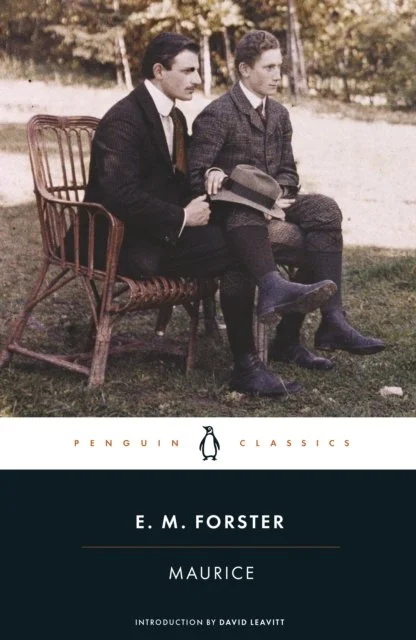
Maurice Hall is a young man who grows up confident in his privileged status and well aware of his role in society. Modest and generally conformist, he nevertheless finds himself increasingly attracted to his own sex. Through Clive, whom he encounters at Cambridge, and through Alec, the gamekeeper on Clive's country estate, Maurice gradually experiences a profound emotional and sexual awakening.
A tale of passion, bravery and defiance, this intensely personal novel was completed in 1914 but remained unpublished until after Forster's death in 1970. Compellingly honest and beautifully written, it offers a powerful condemnation of the repressive attitudes of British society, and is at once a moving love story and an intimate tale of one man's erotic and political self-discovery. In his introduction, David Leavitt explores the significance of the novel in relation to Forster's own life and as a founding work of modern gay literature.
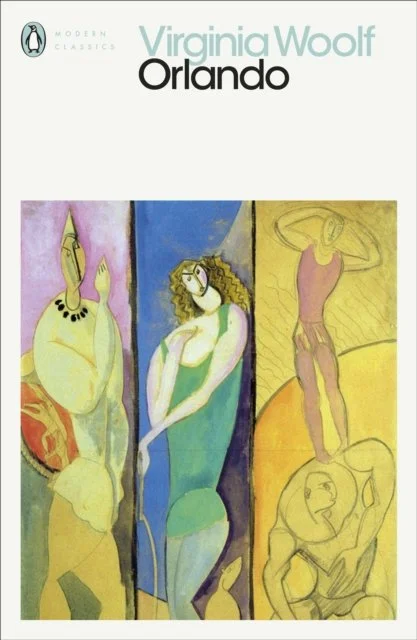
First masculine, then feminine, Orlando begins life as a young sixteenth-century nobleman, then gallops through the centuries to end up as a woman writer in Virginia Woolf's own time. Written for the charismatic, bisexual writer Vita Sackville-West, this playful mock biography of a chameleon-like historical figure is both a wry commentary on gender and, in Woolf's own words, a 'writer's holiday' which delights in its ambiguity and capriciousness.
So begins the breathtaking story of Calliope Stephanides and her truly unique family secret, born on the slopes of Mount Olympus and passed on through three generations. Growing up in 70s Michigan, Calliope’s special inheritance will turn her into Cal, the narrator of this intersex, inter-generational epic of immigrant life in 20th century America.
ifty years after its first publication, discover the classic coming-of-age novel that confronts prejudice and injustice with power and humanity. Molly Bolt is a young lady with a big character. Beautiful, funny and bright, Molly figures out at a young age that she will have to be tough to stay true to herself in 1950s America.
In her dealings with boyfriends and girlfriends, in the rocky relationship with her mother and in her determination to pursue her career, she will fight for her right to happiness. Charming, proud and inspiring, Molly is the girl who refuses to be put in a box.
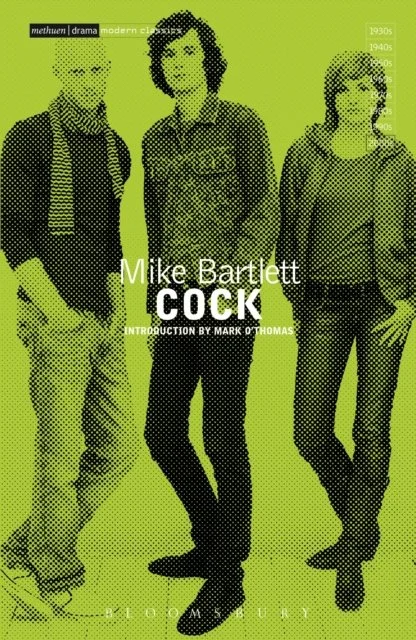
But that's what this is, isn't it? The ultimate bitch fight. When John takes a break from his boyfriend, his accidentally meets the girl of his dreams. Filled with guilt and indecision, he decides there is only one way to straighten this out .
. . Mike Bartlett’s metrosexual play about love and longing provides us with questions of who we are and who we want to be.
John’s refusal to fix his identity disturbs and disrupts the lives of those around him in this contemporary tale of sex without nudity and struggle without violence. Mike Bartlett's punchy story takes a playful, candid look at one man's sexuality and the difficulties that arise when you realise you have a choice. Cock premiered at the Royal Court Theatre, London, on 13 November 2009.

Like most people I lived for a long time with my mother and father. My father liked to watch the wrestling, my mother liked to wrestle. This is the story of Jeanette, born to be one of God's elect: adopted by a fanatical Pentecostal family and ablaze with her own zeal for the scriptures, she seems perfectly suited for the life of a missionary.
But then she converts Melanie, and realises she loves this woman almost as much as she loves the Lord. How on Earth could her Church call that passion Unnatural?Both a groundbreaking coming-of-age novel and a pioneering work of autofiction, Oranges Are Not the Only Fruit goes beyond facts into the deepest truths. Searing and tender, playful and provocative, it is a portrait of the artist as a young evangelist, re-writing her own Bible.
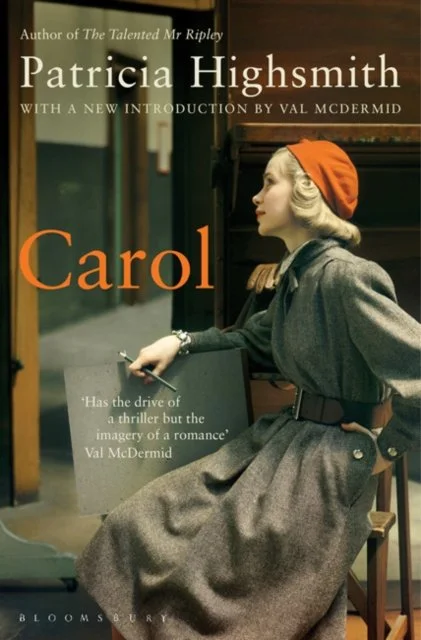
Therese is just an ordinary sales assistant working in a New York department store when a beautiful, alluring woman in her thirties walks up to her counter. Standing there, Therese is wholly unprepared for the first shock of love. Therese is an awkward nineteen-year-old with a job she hates and a boyfriend she doesn't love; Carol is a sophisticated, bored suburban housewife in the throes of a divorce and a custody battle for her only daughter.
As Therese becomes irresistibly drawn into Carol's world, she soon realizes how much they both stand to lose...
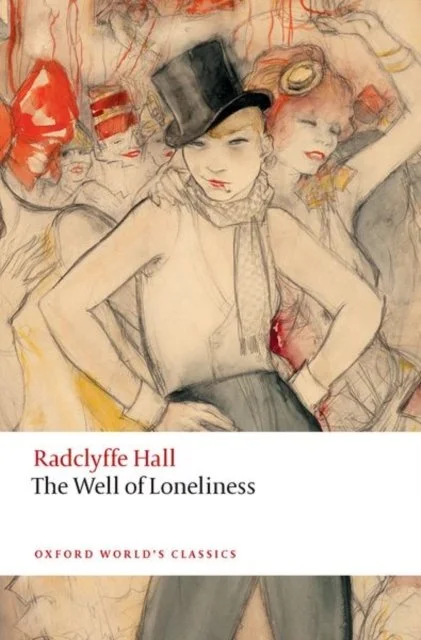
The Well of Loneliness is among the most famous banned books in history. A pioneering work of literature, Radclyffe Hall's novel charts the development of a 'female sexual invert', Stephen Gordon, who from childhood feels an innate sense of masculinity and desire for women. After relocating from Malvern to London and then to Paris, Stephen encounters fellow queer characters from all walks of life, from the sapphic salon hostess Valérie Seymour to the 'miserable army' of outcasts that frequents the 'merciless, drug-dealing, death-dealing' bars of Montmartre.
Although Stephen and her acquaintances, allies, and antagonists are of their time, Hall's novel has offered support and solidarity to generations of LGBTQ+ readers, and it continues to shape debates about gender and sexuality today. This edition highlights previously overlooked points of influence, inspiration, and connections with other texts as well as situating the novel in historical contexts. In addition, the editors provide vital insights into Hall's engagement with religion, sexology, literary history, and popular culture.
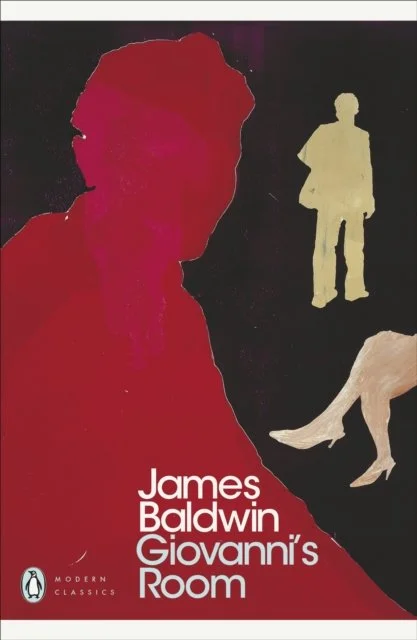
David, a young American in 1950s Paris, is waiting for his fiancée to return from vacation in Spain.
But when he meets Giovanni, a handsome Italian barman, the two men are drawn into an intense affair. After three months David's fiancée returns and, denying his sexuality, he rejects Giovanni for a 'safe' future as a married man — a decision that will bring tragedy, longing and regret.
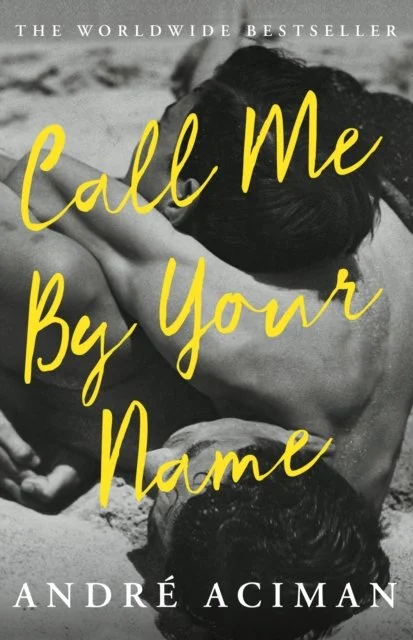
During a restless summer on the Italian Riviera, a powerful romance blooms between seventeen-year-old Elio and his father's house guest, Oliver. Unrelenting currents of obsession and fear, fascination and desire threaten to overwhelm the lovers who at first feign indifference to the charge between them. What grows from the depths of their souls is a romance of scarcely six weeks' duration, and an experience that marks them for a lifetime.
For what the two discover on the Riviera and during a sultry evening in Rome is the one thing they both already fear they may never truly find again: total intimacy. Rediscover one of the great love stories of our time.
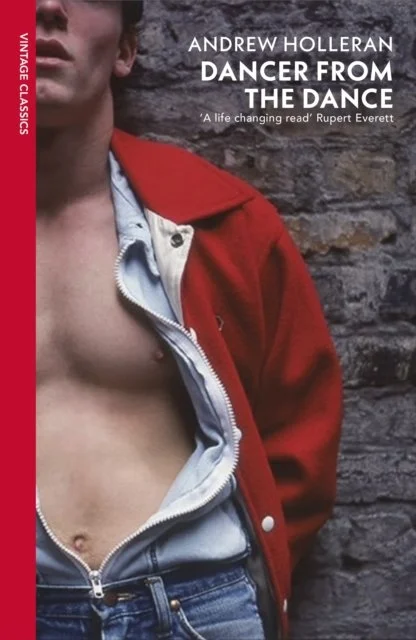
Young, divinely beautiful and tired of living a lie, Anthony Malone trades life as a seemingly straight, small town lawyer for the disco-lit decadence of New York's 1970's gay scene.
Joining an unbridled world of dance parties, saunas, deserted parks and orgies - at its centre Malone befriends the flamboyant queen, Sutherland, who takes this new arrival under his preened wing. But for Malone, the endless city nights and Fire Island days, are close to burning out. It is love that Malone is longing for, and soon he will have to set himself free.
First published in 1978, Dancer from the Dance is widely considered the greatest, most exciting novel of the post-Stonewall generation. Told with wit, eroticism and unashamed lyricism, it remains a heart-breaking love letter to New York's hedonistic past, and a testament to the brilliance of our passions as they burn brightest.
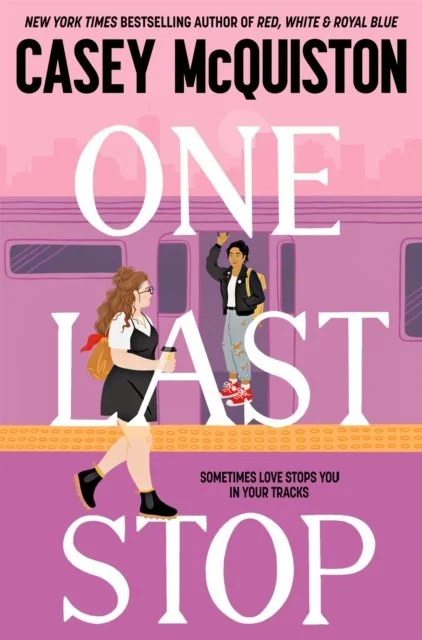
Moving to New York City is supposed to prove cynical twenty-three-year-old August right: magic and cinematic love stories don’t exist. But then, she meets this gorgeous girl on the train. Jane.
Dazzling, charming, mysterious, impossible Jane. Jane with her rough edges and swoopy hair and soft smile. August’s subway crush becomes the best part of her day, but pretty soon she discovers there’s one big problem: Jane is displaced in time from the 1970s, and August is going to have to use everything she tried to leave in her own past to help Jane.
Maybe it’s time to start believing in some things after all . . .
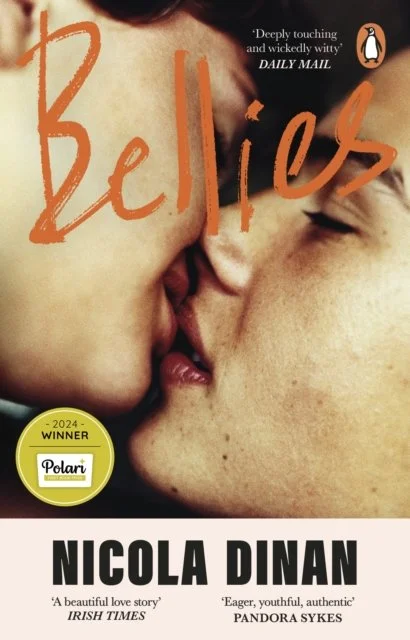
It begins as your typical boy meets boy. Tom and Ming meet on a night out at university and fall hard for each other.
It's not long before they are planning a future and building a life. Then Ming announces her intention to transition. As Tom and Ming both face shifts in their relationship and confront the vastly different shapes their lives have taken, they must both ask if it is worth losing a part of themselves - or each other - to become the people they want to be.
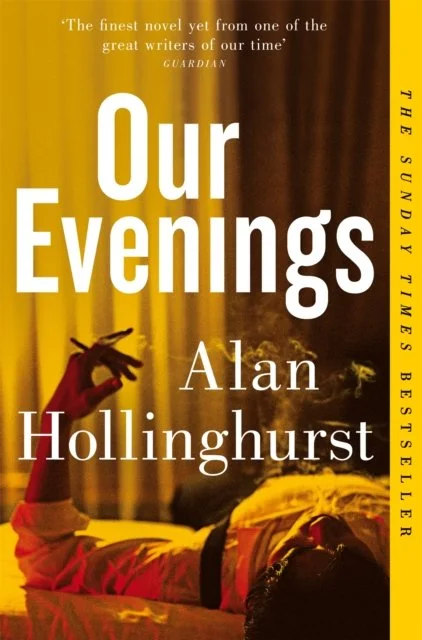
Alan Hollinghurst, the Booker Prize-winning author of The Line of Beauty, brings us a dark, heartbreaking but wickedly funny portrait of England spanning six decades. It is a story of race and class, theatre and sexuality, love and the cruel shock of violence, from one of the finest writers of our age. Dave Win is thirteen years old when he first goes to stay with the sponsors of his scholarship at a local boarding school.
This weekend, with its games and challenges and surprising encounters, will open up heady new possibilities, even as it exposes him to their son Giles’ envy and violence. As their lives unfold over the next half a century, the two boys’ careers will diverge dramatically: Dave, a gifted actor struggling against convention and discrimination, Giles an increasingly powerful and dangerous politician. Our Evenings is the intimate and touching story of Dave Win’s life as a schoolboy and student, his first love affairs, in London, and on the road with an experimental theatre company.
Then, a late-life affair, which transforms his sixties with a new sense of happiness and a perilous security.

Nothing interferes with pro hockey star Shane Hollander’s game. Now that he’s captain of the Montreal Voyageurs, he won’t let anything jeopardize that—definitely not the sexy rival he loves to hate.
Boston Bears captain Ilya Rozanov is everything Shane’s not. The self-proclaimed king of the ice, he’s as cocky as he is talented. No one can beat him—except Shane.
Publicly, they’re enemies. Privately, they can’t stop touching each other. The smart thing to do? Walk away, once a few secret hookups turn into a struggle to keep their relationship out of the press. The truth could ruin them both.
But for Shane and Ilya, secrecy is soon no longer an option…Game Changers
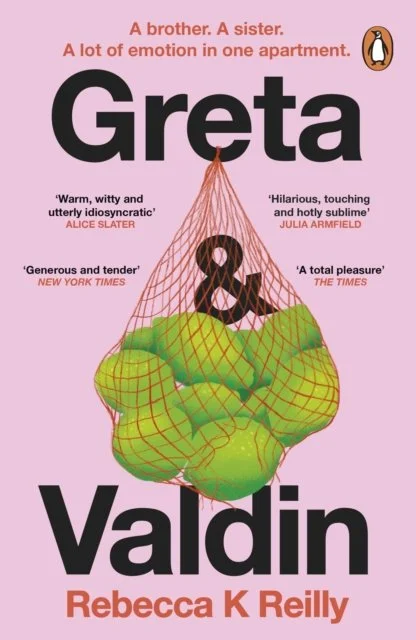
A BROTHER. A SISTER. A LOT OF EMOTION IN ONE APARTMENT.
This is the story of Greta and Valdin: twenty-something brother and sister with a near-unpronounceable surname, a sprawling Maori-Russian-Catalonian family and questionable taste in partners. While Valdin can’t seem to get over his ex-boyfriend who fled the country, Greta has an unrequited crush on fellow English tutor Holly, who uses her for admin support. But all hope is not lost for these lovelorn siblings.
Through the misadventures and mess of modern adulthood, at least they still have each other — unless drama gets in the way. From bad dates to family feuds and embarrassing karaoke nights, this acclaimed bestseller from New Zealand is a fresh, heartwarming and hilarious story about the trials and tribulations of love in its many forms.
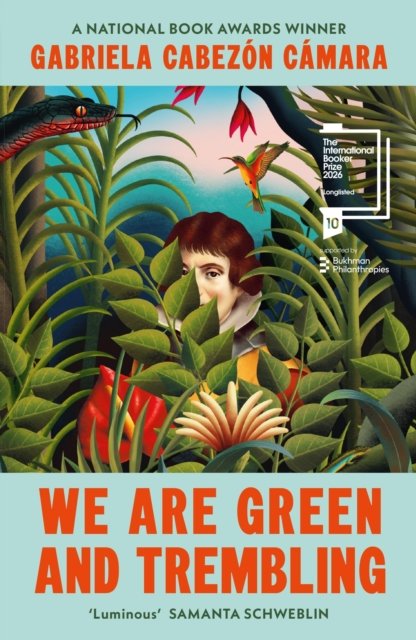
From deep in the wilds of the New World, Antonio de Erauso writes a letter to his aunt, the prioress of the convent he escaped as a young girl. Since leaving his past behind, he’s become Antonio, conquistador. Now, hiding in the jungle and hounded by the army he deserted, Antonio is caring for two Guaraní girls he rescued from enslavement.
But the New World has one more metamorphosis in store, which might save them all from extinction. Tender and surreal, We Are Green and Trembling conveys glimmers of hope for the future within the brutal colonial history of Latin America, finding in the rainforest a magical space for transformation.
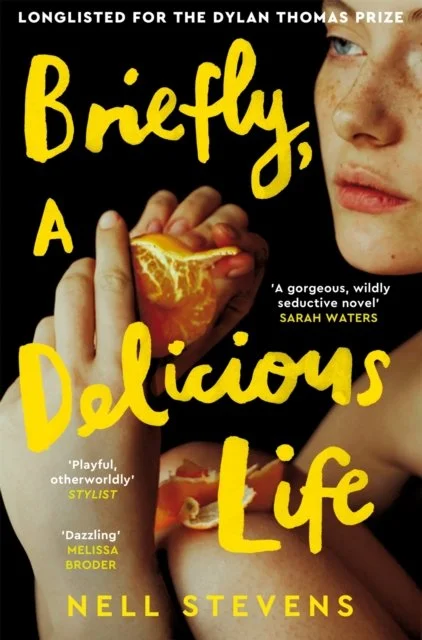
Briefly, A Delicious Life by Nell Stevens is a historical otherworldly story about breaking convention, and about love – secret, forbidden, unrequited. Blanca has been dead for a few centuries when she falls in love – instantly and devotedly – with celebrated novelist George Sand. George is unlike anyone Blanca has encountered in hundreds of years of haunting: a woman dressed in men’s clothes, a ferocious writer, a passionate lover of men and women alike and an ambivalent mother.
It is 1838, and George has come to the island of Mallorca with her ailing lover, Frédéric Chopin. As the weather and the locals turn against this strange couple, can the love of a teenage ghost keep them from disaster?
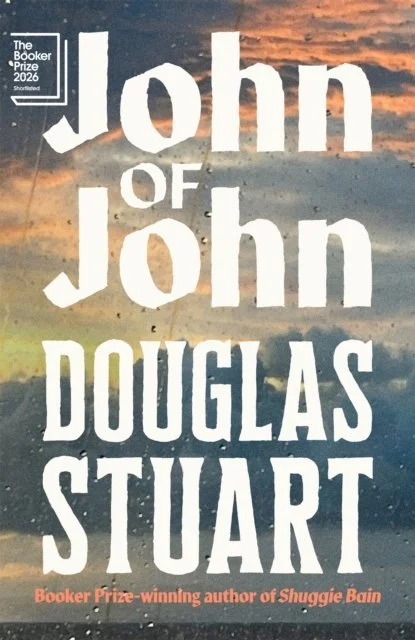
Out of money and with little to show for his art school education, John-Calum Macleod takes the ferry home to the island of Harris to find that not much has changed except for him. In the windswept croft where he grew up, Cal resumes his old life, caught between the two poles of his childhood: his father John, a sheep farmer, weaver, and pillar of their local Presbyterian church, and his Glaswegian grandmother Ella, who has kept a faltering peace with her son-in-law for decades.
While Cal wonders if any lonely men might be found on the barren hillsides of home, John is dismayed by his son’s long hair and how he seems unwilling to be Saved. As the seasons pass, everything is poised to change as the threads holding together the fragile community become increasingly entangled.
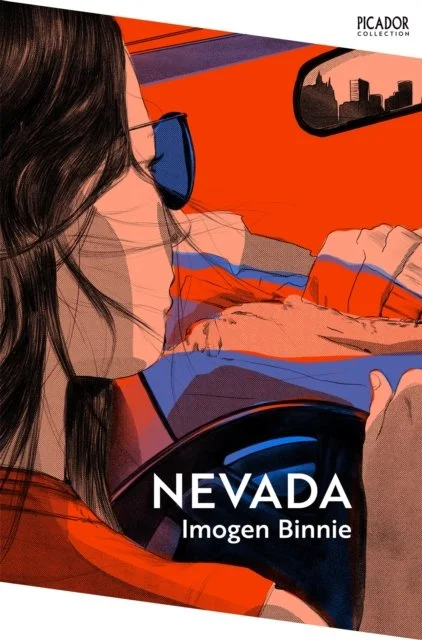
Maria, a trans woman in her thirties, is going nowhere. She spends her aimless days working in a New York bookstore, trying to remain true to a punk ethos while drinking herself into a stupor and having a variety of listless and confusing sexual encounters. After her girlfriend cheats on her, Maria steals her car and heads for the Pacific, embarking on her version of the Great American Road Trip.
Along the way she stops in Reno, Nevada, and meets James, a young man who works in the local Wal-Mart. Maria recognizes elements of her younger self in James and the pair quickly form an unlikely but powerful connection, one that will have big implications for them both. Nevada is a hilarious, ground-breaking cult classic from Imogen Binnie that inspired a whole literary movement, and is now published in the UK for the very first time.
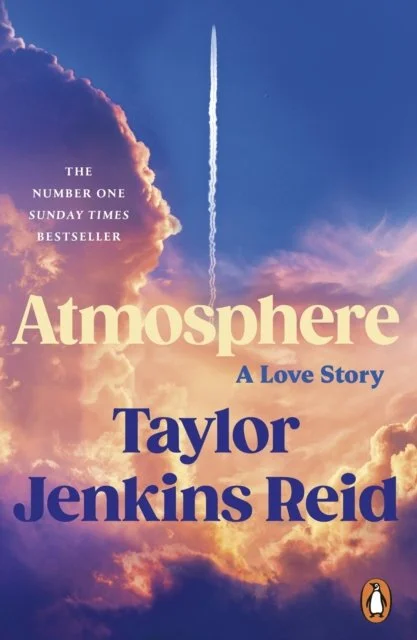
Joan Goodwin has been obsessed with the stars for as long as she can remember.
Thoughtful and reserved, Joan is content with her life as a professor of physics and astronomy at Rice University and as aunt to her precocious niece, Frances. That is, until she comes across an advertisement seeking the first women scientists to join NASA’s space shuttle program. Suddenly, Joan burns to be one of the few people to go to space.
Selected from a pool of thousands of applicants in the summer of 1980, Joan begins training to be an astronaut at Houston's Johnson Space Centre, alongside an exceptional group of fellow candidates. As the new astronauts prepare for their first flights, Joan finds a passion and a love she never imagined and begins to question everything she believes about her place in the observable universe. Then, in December of 1984, on mission STS-LR9, it all changes in an instant.
Atmosphere is a soaring story about the transformative power of love - this time among the stars.
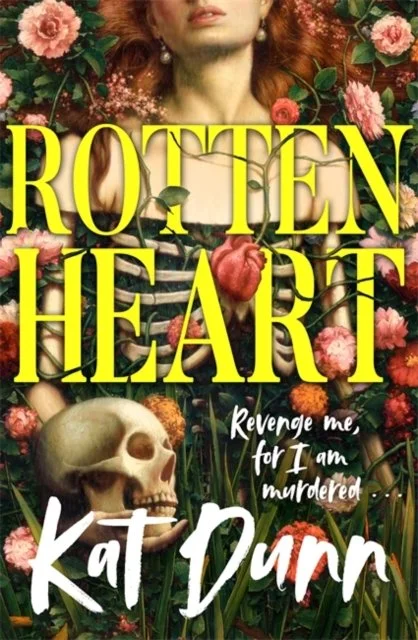
Revenge me. For I am murdered . . .
Odette and Cecilia are young women, living between their grand homes in Hampstead and the imposing, ancient Herne House in Suffolk.
Though Odette's artist mother Lydia keeps a tight grasp on her, she and her beloved Cecilia are mostly left free to roam, to learn and to love. But when Lydia inexplicably sickens and dies, a dark veil falls. As the funeral rites are performed, Odette's aunt, the cold and implacable Claudine, increasingly takes charge of the household, while her father retreats to his study.
Odette, lost in grief, disappears into the shadows. But as Claudine is announced as Odette's new stepmother, a sinister presence in the house makes itself known. To her horror, Odette realises that despite her death, Lydia never really left.
And now she wants revenge . . .
Inspired by Hamlet, the ultimate revenge tragedy, Rottenheart is the stunning new sapphic gothic horror novel from Kat Dunn, the lauded author of Hungerstone and Bitterthorn. Set in the 1890s, this a story of love and grief, mothers and daughters, death and madness.
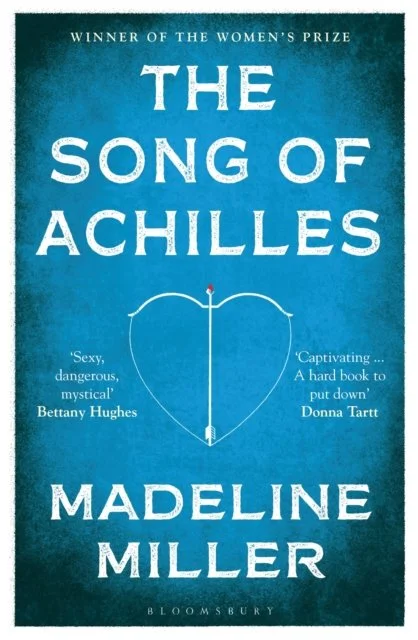
Greece in the age of heroes. Patroclus, an awkward young prince, has been exiled to the court of King Peleus and his perfect son Achilles. Despite their differences, Achilles befriends the shamed prince, and as they grow into young men skilled in the arts of war and medicine, their bond blossoms into something deeper - despite the displeasure of Achilles's mother Thetis, a cruel sea goddess.
But when word comes that Helen of Sparta has been kidnapped, Achilles must go to war in distant Troy and fulfill his destiny. Torn between love and fear for his friend, Patroclus goes with him, little knowing that the years that follow will test everything they hold dear.
George M. Johnson’s memoir for young adults is one of the most banned books in the US. At least 29 school districts have banned the book because of its LGBTQ content and for being sexually explicit. Although the book hasn’t been banned nationally, it faces restrictions enacted in states like Utah, Missouri, Texas, Florida, and South Carolina.